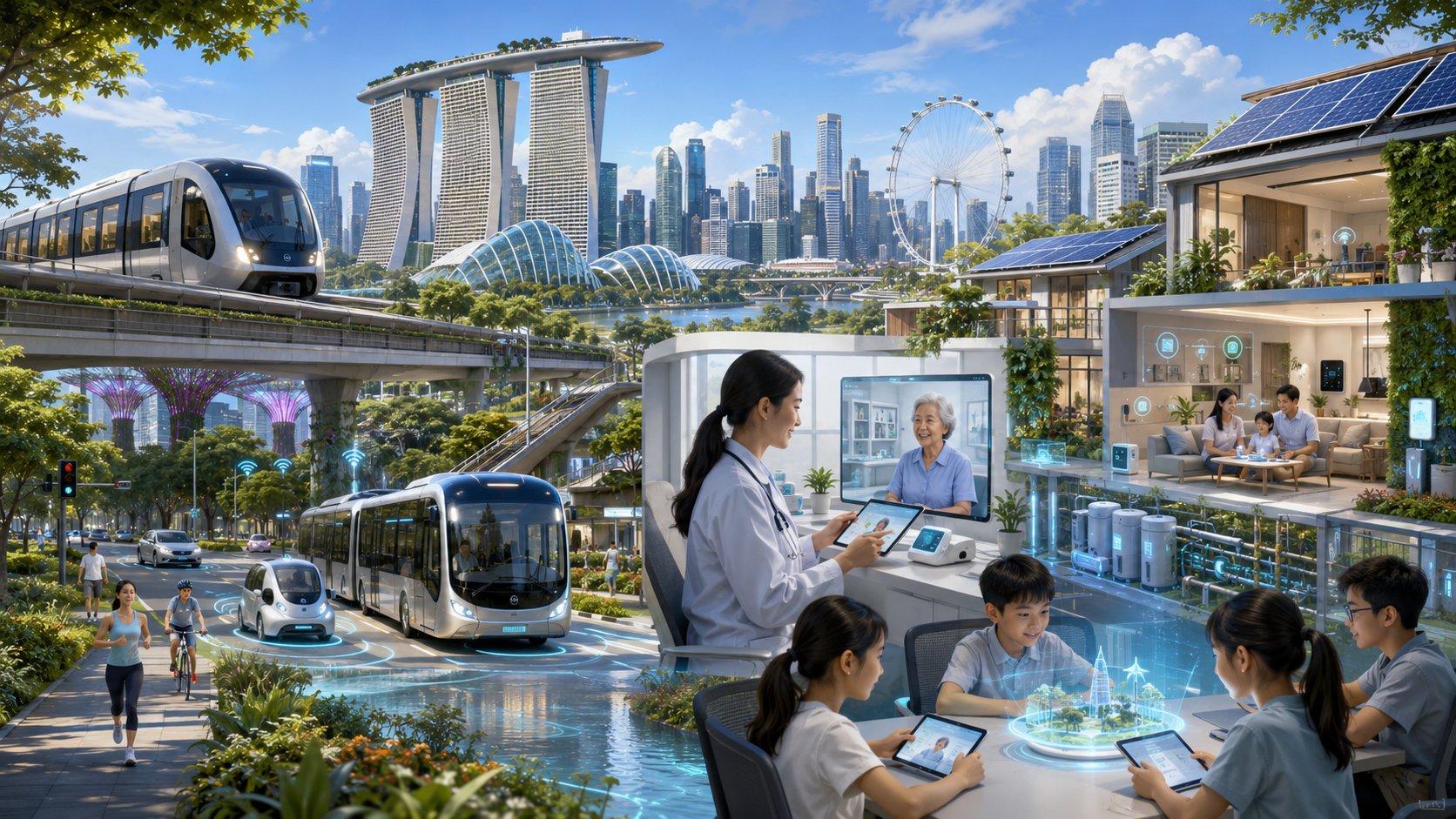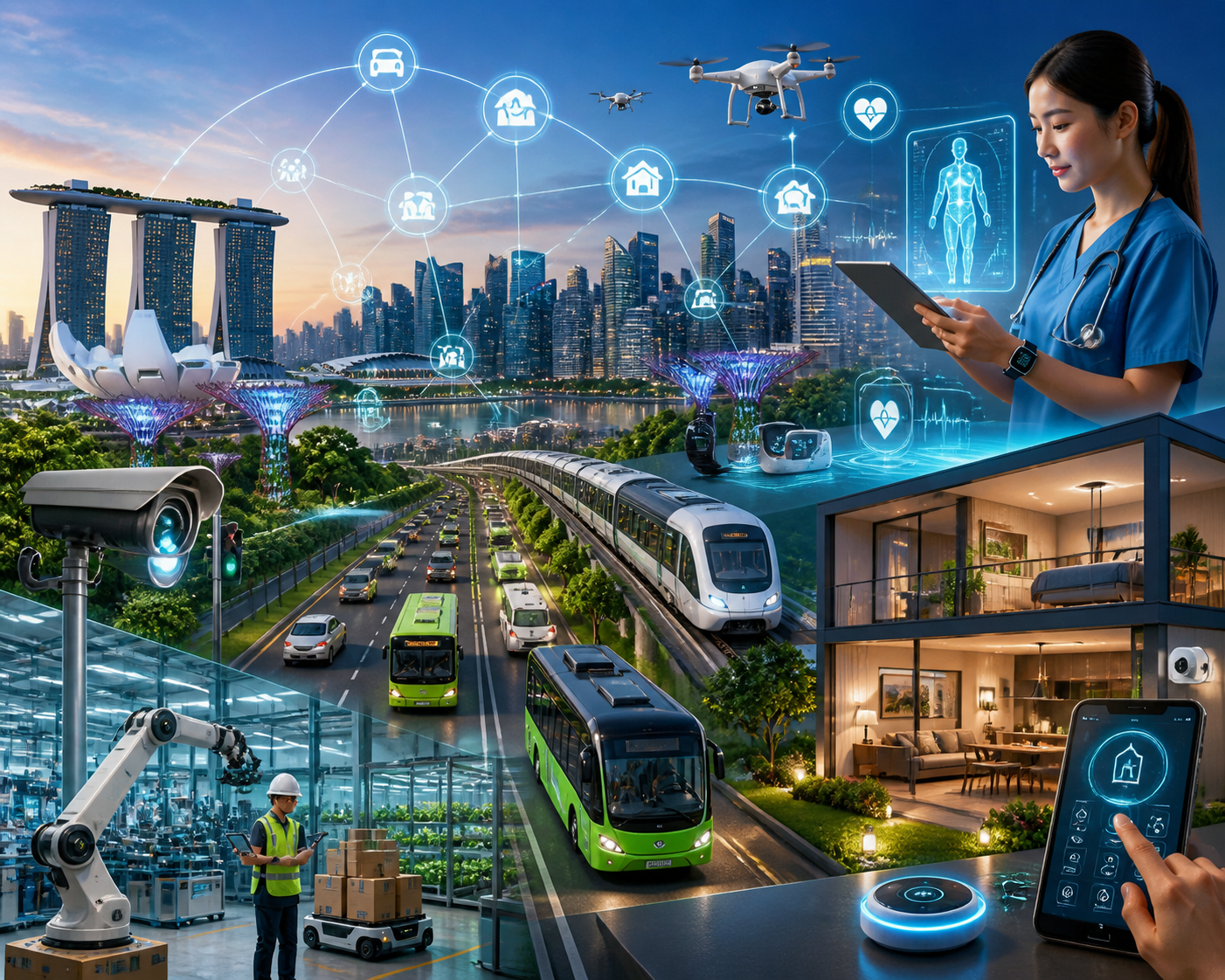
As one of the world’s most technologically advanced nations, Singapore has made remarkable strides in implementing Internet of Things (IoT) solutions across various sectors. With the government’s commitment to becoming a Smart Nation, IoT plays a pivotal role in transforming Singapore into a model for digital cities. This transformation has a far-reaching impact on urban living, business innovation, and sustainability, making Singapore a leading force in the digital age.
Singapore’s Smart Nation initiative, which began in 2014, focuses on utilizing IoT to improve the lives of its citizens by making urban services more efficient, sustainable, and accessible. The government’s strategy involves integrating IoT technologies into public infrastructure, healthcare, transportation, and homes, creating a seamless and intelligent city experience.
The healthcare sector has seen one of the most significant implementations of IoT in Singapore. The use of wearable devices to monitor patients’ health has become commonplace, allowing for real-time tracking of vital signs like heart rate, blood pressure, and glucose levels. This continuous data stream is sent to healthcare providers, who can respond quickly to any anomalies or health concerns. In addition, IoT systems help hospitals manage resources more effectively by tracking equipment and monitoring the condition of medical devices.
In transportation, Singapore is leveraging IoT to optimize traffic management and public transportation systems. By using IoT sensors to collect data on traffic flow, vehicle speeds, and road conditions, Singapore is able to reduce traffic congestion and enhance the efficiency of its public transport network. These systems also contribute to environmental sustainability by reducing fuel consumption and lowering carbon emissions.
The smart home sector in Singapore is also flourishing, as more residents embrace IoT-enabled devices that offer convenience, security, and energy savings. From smart thermostats and security cameras to automated lighting and appliances, IoT is helping Singaporeans lead more comfortable and energy-efficient lives. The integration of IoT in homes not only enhances convenience but also supports Singapore’s broader goals of sustainability by reducing energy consumption and improving resource management.
Singapore has also cultivated a thriving IoT startup ecosystem, with numerous companies focused on creating innovative solutions that solve problems across various industries. From agriculture to logistics, these startups are developing IoT-driven solutions that improve operational efficiency, reduce waste, and enhance productivity. Many of these startups collaborate with government agencies and research institutions to create cutting-edge technologies that drive the IoT revolution in Singapore.
The introduction of 5G technology is set to accelerate IoT adoption even further. With faster speeds, lower latency, and greater connectivity, 5G will enable IoT devices to operate in real-time, opening up new possibilities for applications such as autonomous vehicles, smart grids, and industrial automation. The nationwide rollout of 5G in Singapore will allow the country to fully harness the power of IoT and create new opportunities for innovation.
With its forward-thinking policies and commitment to digital transformation, Singapore is well on its way to becoming a global leader in IoT technology. By integrating IoT across various sectors, Singapore is not only improving the lives of its residents but also setting the stage for a smarter, more connected future.