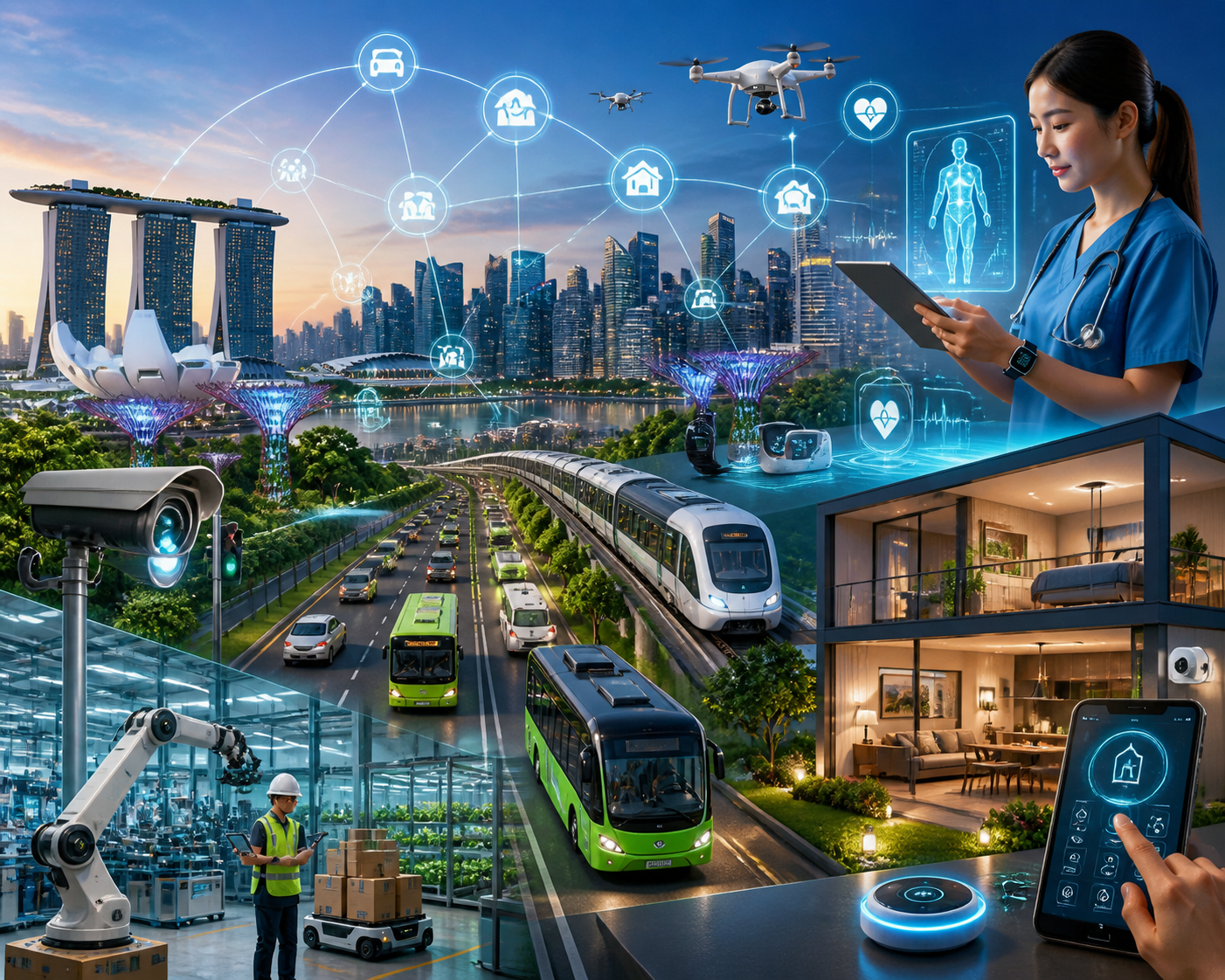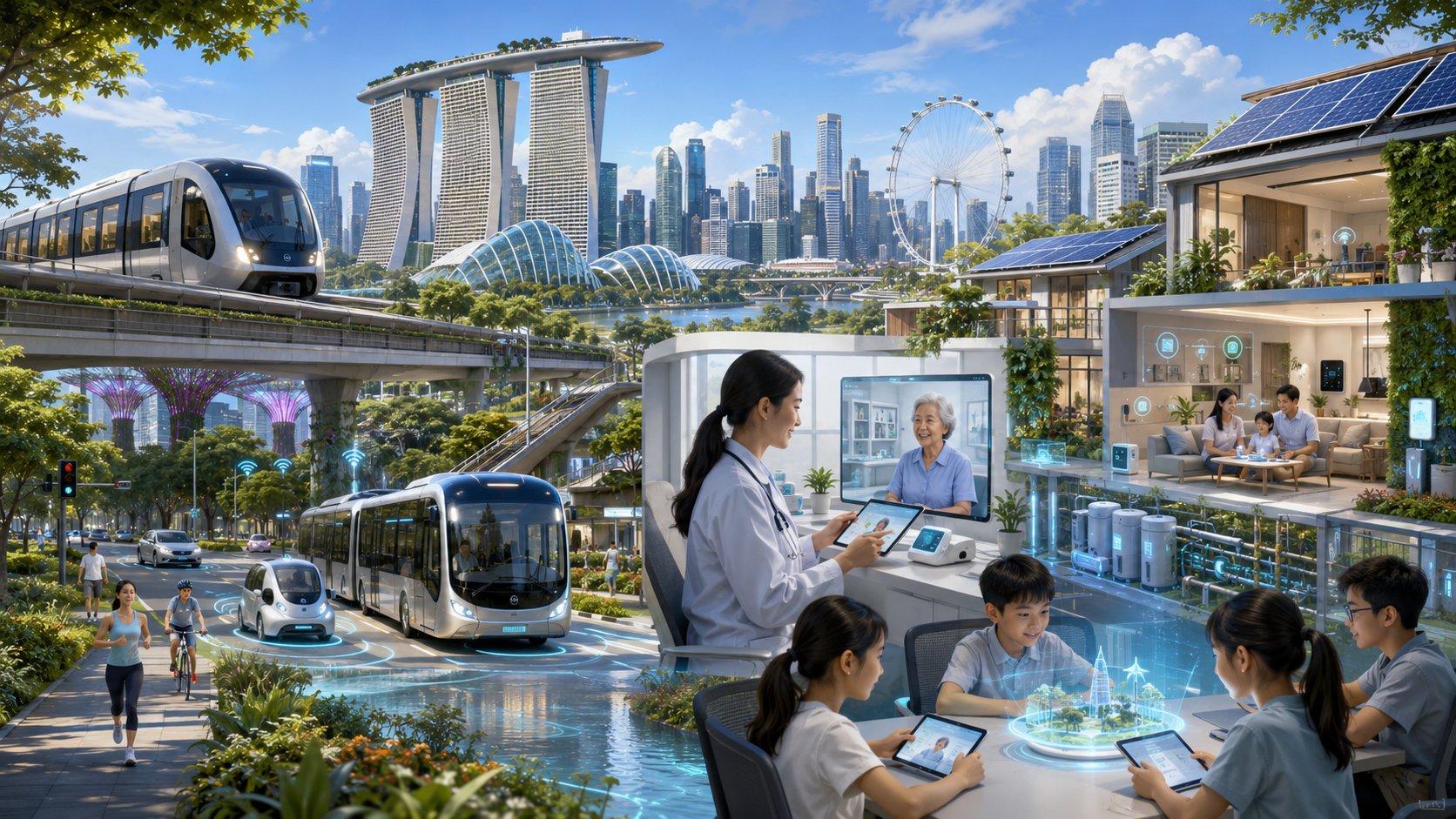
Singapore’s emergence as a global technology hub has created significant opportunities to enhance the quality of life for its citizens. The government’s forward-thinking policies, combined with widespread adoption of digital solutions, have transformed healthcare, transportation, urban planning, education, and public services into a more efficient, sustainable, and convenient system.
The nation’s transportation infrastructure exemplifies technology-driven improvement. Singapore employs intelligent transport solutions, including real-time traffic monitoring, predictive analytics, and integrated digital payment systems. Public transit schedules and ride-hailing options are optimized using data analytics, allowing commuters to travel with minimal delays. Initiatives such as autonomous vehicle pilots and smart parking systems further increase convenience while reducing congestion and environmental impact.
Healthcare services have benefited immensely from digital integration. Electronic health records, AI diagnostic tools, and telemedicine platforms enable quicker and more accurate medical assessments. Mobile health applications and wearable devices help citizens monitor their health independently, promoting preventive care and healthier lifestyles. These technologies enhance patient accessibility, reduce healthcare costs, and improve overall outcomes, illustrating the positive impact of technology on public health.
Smart city developments in Singapore highlight the role of technology in daily life. IoT sensors, automated monitoring, and predictive analytics optimize energy consumption, water distribution, and waste management. Residents in smart housing projects enjoy automated lighting, temperature control, and advanced security features, improving both comfort and safety. By integrating technology into urban design, Singapore fosters a more efficient, eco-conscious, and convenient living environment.
Education has also embraced digital transformation. AI-assisted learning platforms, virtual classrooms, and online educational resources provide students with personalized instruction and interactive learning experiences. Educators can monitor progress in real time, ensuring that each student receives the support they need. This approach enhances academic performance, fosters digital literacy, and prepares students for a technology-driven future workforce.
Government services have become more efficient through digitalization. Citizens can access e-government platforms to complete administrative tasks such as renewing licenses, applying for permits, or paying bills online. This reduces bureaucratic hurdles, saves time, and improves transparency, allowing Singaporeans to focus on personal and professional growth. The integration of technology into governance exemplifies a citizen-centric approach to improving quality of life.
Through strategic investment in technology, Singapore has created an environment where efficiency, convenience, and sustainability intersect. Transportation systems, healthcare innovations, smart urban planning, digital education, and e-governance collectively enhance the well-being of residents. The city-state serves as a model for leveraging technology to improve life quality on multiple fronts, demonstrating the profound benefits of a digitally integrated society.