From Ethereum to Solana: The Infrastructure Bet
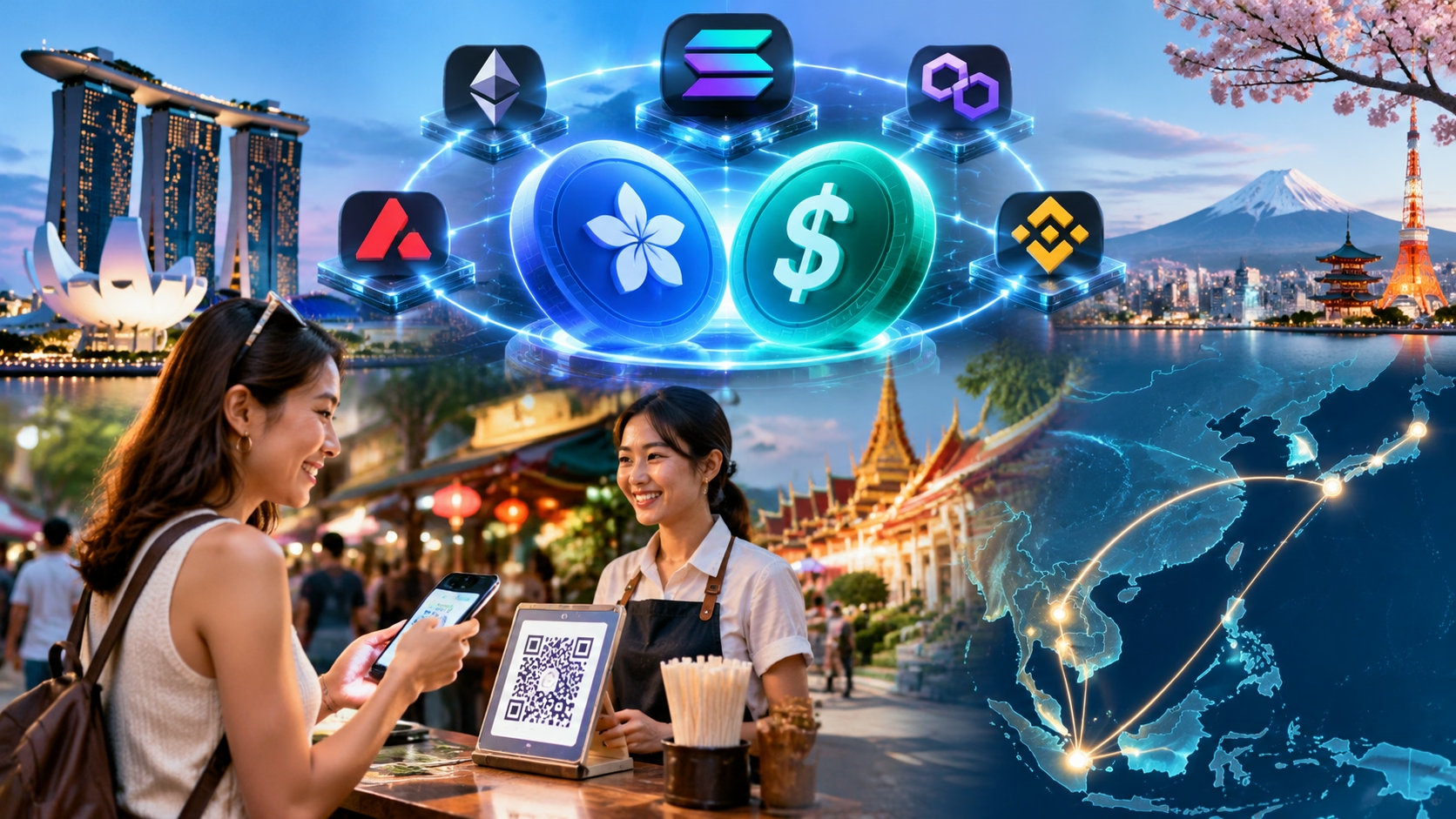
StraitsX, the MAS-licensed Major Payment Institution behind the Singapore dollar-pegged stablecoin XSGD, is pushing stablecoin settlement beyond a single blockchain. In December 2025, the firm announced that XSGD and its US dollar-backed counterpart, XUSD, would launch on Solana in early 2026, marking a major expansion of its multi-chain and cross-border settlement capabilities. XSGD was already live on Ethereum, Polygon, Avalanche, Arbitrum, Zilliqa, Hedera and XRPL, while XUSD operated on Ethereum and BNB Smart Chain. Together, the two tokens have processed over US$18 billion in on-chain transaction volume. The Solana deployment is not a chain-for-chain’s-sake move: it is a liquidity and speed play aimed at real-time cross-border FX and settlement.
Why Solana, and Why Now
Solana’s high-throughput, low-cost infrastructure is being positioned as a settlement layer that can bypass traditional banking delays. The integration supports the x402 interoperability standard, which provides the technical rails for AI agents and machines to perform autonomous micro-payments — a forward-looking use case that matters for programmable cross-border disbursements. By bridging XSGD and XUSD on the same high-performance chain, StraitsX is creating a unified foundation for on-chain FX between the two currencies, automated market-maker liquidity, lending markets and institutional-grade payment flows. For payment providers, the message is that stablecoin settlement is becoming chain-agnostic: the value proposition is not the blockchain itself, but the ability to route Singapore dollar liquidity across multiple networks without correspondent banking friction.
Real Corridors, Not Just Testnets
The more instructive story is in the corridors. StraitsX has been extending its payment network across Asia, beginning with enhanced connectivity between Singapore, Thailand, Taiwan and Japan. The expanded network, slated for go-live in the second quarter of 2026, aims to establish a unified payment corridor linking Southeast Asia and Northeast Asia with real-time settlement and transparent FX conversion. In Thailand, StraitsX is working with KBank and Orbix Technology on QR interoperability between Thailand’s national QR system and Singapore’s SGQR framework, exploring XSGD as the settlement asset so that consumers pay through familiar local interfaces while merchants receive settlement in their domestic currency. The first phase allows Thai travellers to pay at GrabPay and select PayNow-enabled merchants in Singapore using Q-money via the Q Wallet by KBank, with merchants receiving instant SGD settlement. The second phase would allow Singapore travellers to pay Thai merchants using their home wallets, with THB settlement completed behind the scenes.
The Settlement Model Behind the Corridor
In this model, the stablecoin is not the consumer-facing instrument. It is the settlement asset that moves behind the scenes between payment ecosystems, while the front-end experience remains a domestic wallet or QR payment. That distinction matters for regulators and payment firms alike: it allows stablecoin rails to be embedded into existing licensed payment infrastructure without requiring end-users to hold or manage tokens. It also creates a template for other corridors, where the value proposition is faster settlement and transparent FX rather than speculation.
What Payment Firms Should Watch
The operational test will be whether these corridors deliver consistent liquidity and compliance at scale. StraitsX’s existing DVA and OTC infrastructure suggests it is building for institutional flows as well as consumer payments, but the corridor model depends on counterparties in each market maintaining aligned AML/CFT controls and redemption arrangements. As the Solana deployment and the Thailand–Singapore corridor move from announcement to production, the market will get its first clear read on whether multi-chain Singapore dollar settlement can become routine cross-border infrastructure.