A Sector-Wide Transformation Takes Shape
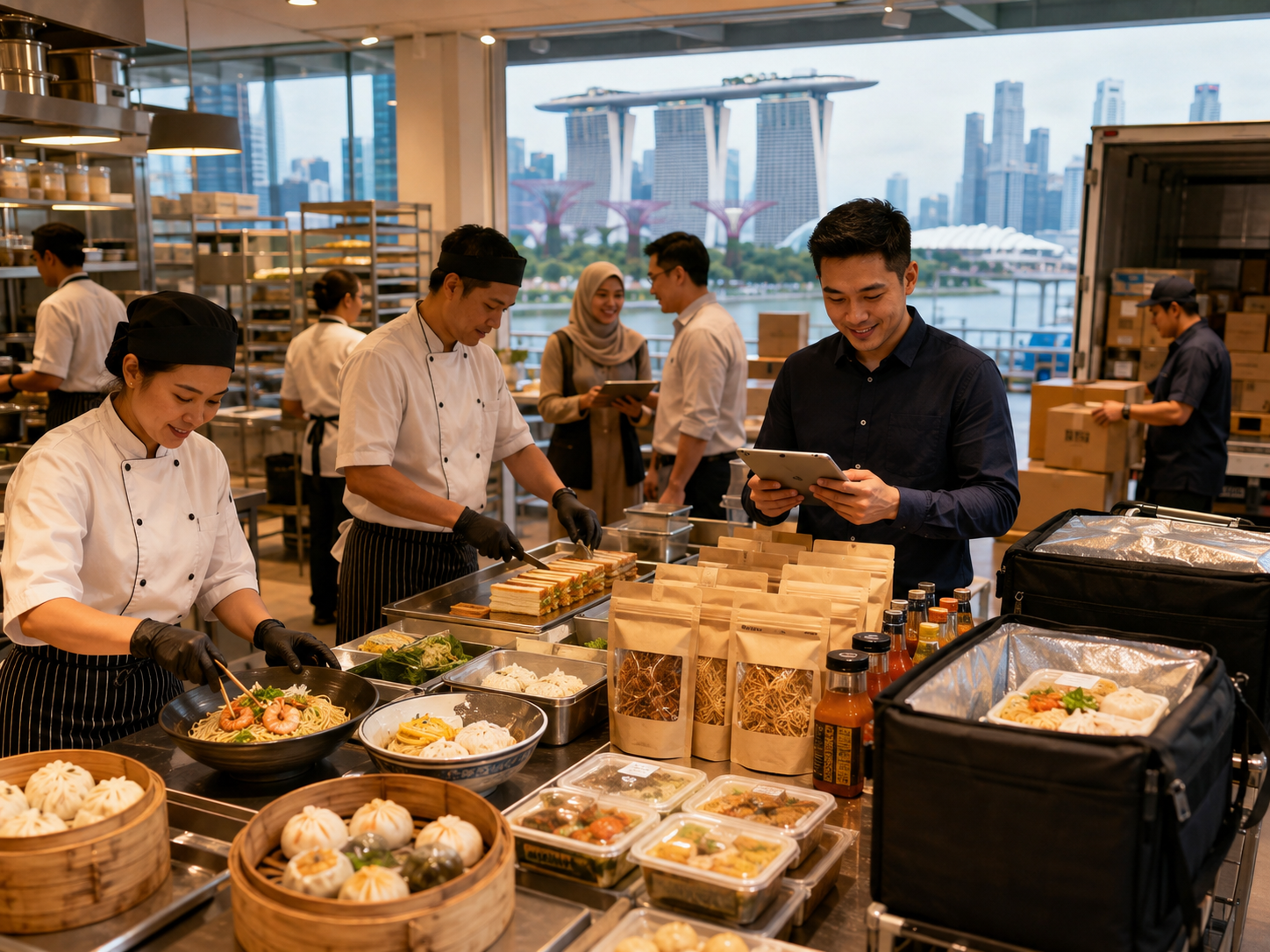
In April 2026, more than 200 Trade Association and Chamber (TAC) leaders gathered at the TAC Summit 2026, marking a significant escalation in how Singapore’s business support ecosystem operates. The launch of TAC Alliance 2.0 represented more than a rebranding exercise. It signalled a shift “from convening to execution,” with three strategic thrusts: providing insights to shape government-TAC partnerships, fostering inter-TAC collaboration, and developing capability-building programmes.
The Alliance is led by a Steering Committee co-chaired by Teo Siong Seng, Chairman of the Singapore Business Federation (SBF), and Lee Chuan Teck, Chairman of Enterprise Singapore (EnterpriseSG). This dual leadership structure—pairing the apex business chamber with the government’s enterprise development agency—reflects the collaborative model that has become Singapore’s hallmark.
Why SME Support Needed Reinvention
The urgency behind TAC Alliance 2.0 stems from clear data. SBF’s National Business Survey 2025 revealed that international expansion momentum among businesses moderated to 47% in 2025 from 59% in 2024. Firms cited uncertainty of demand in overseas markets, rising expansion costs, and more complex operating conditions as key concerns. Critically, 40% of firms remained local due to capacity and risk constraints—pointing to a gap that chambers can help fill through market advisories, joint business missions, and trade fair participation.
Lee Chuan Teck captured the essence of the challenge: “TACs are important partners in driving enterprise and sectoral development. A strong TAC ecosystem provides critical support for businesses to navigate an increasingly complex global environment”.
New Governance Standards for Chambers
Two initiatives introduced at TAC Summit 2026 aim to raise the bar for chamber governance and capability. The TAC Measurement Framework, developed by EnterpriseSG, enables chambers to conduct structured self-assessments across functions and organisational practices. Complementing this is the Qualified TAC (QTAC) Director Badge, developed with the Singapore Institute of Directors, which recognises TAC leaders who have completed governance training.
These measures matter because chambers are not merely networking platforms. They administer SME Centres across Singapore, providing free one-to-one business advisory services in areas including productivity, finance, human resources, and overseas expansion. Five SME Centres operate at the Chinese, Indian, and Malay Chambers of Commerce and Industry, the Association of Small and Medium Enterprises, and the Singapore Manufacturing Federation. The quality of chamber governance directly affects the quality of support that thousands of SMEs receive.
The Broader Ecosystem at Work
The Singapore Chinese Chamber of Commerce & Industry (SCCCI) exemplifies how chambers translate policy into practice. In 2025, SCCCI’s services benefited nearly 16,000 businesses, driving transformation, collaboration, and regional opportunities. The Chamber submitted five recommendations for Budget 2026 relating to cost pressures, AI adoption, sustainability, skills upgrading, and internationalisation—directly informing policy outcomes.
For SMEs navigating an uncertain global environment, TAC Alliance 2.0 represents more than institutional restructuring. It signals that Singapore’s chamber network is evolving into a more coordinated, capable, and responsive system—one where individual businesses can access collective strength.