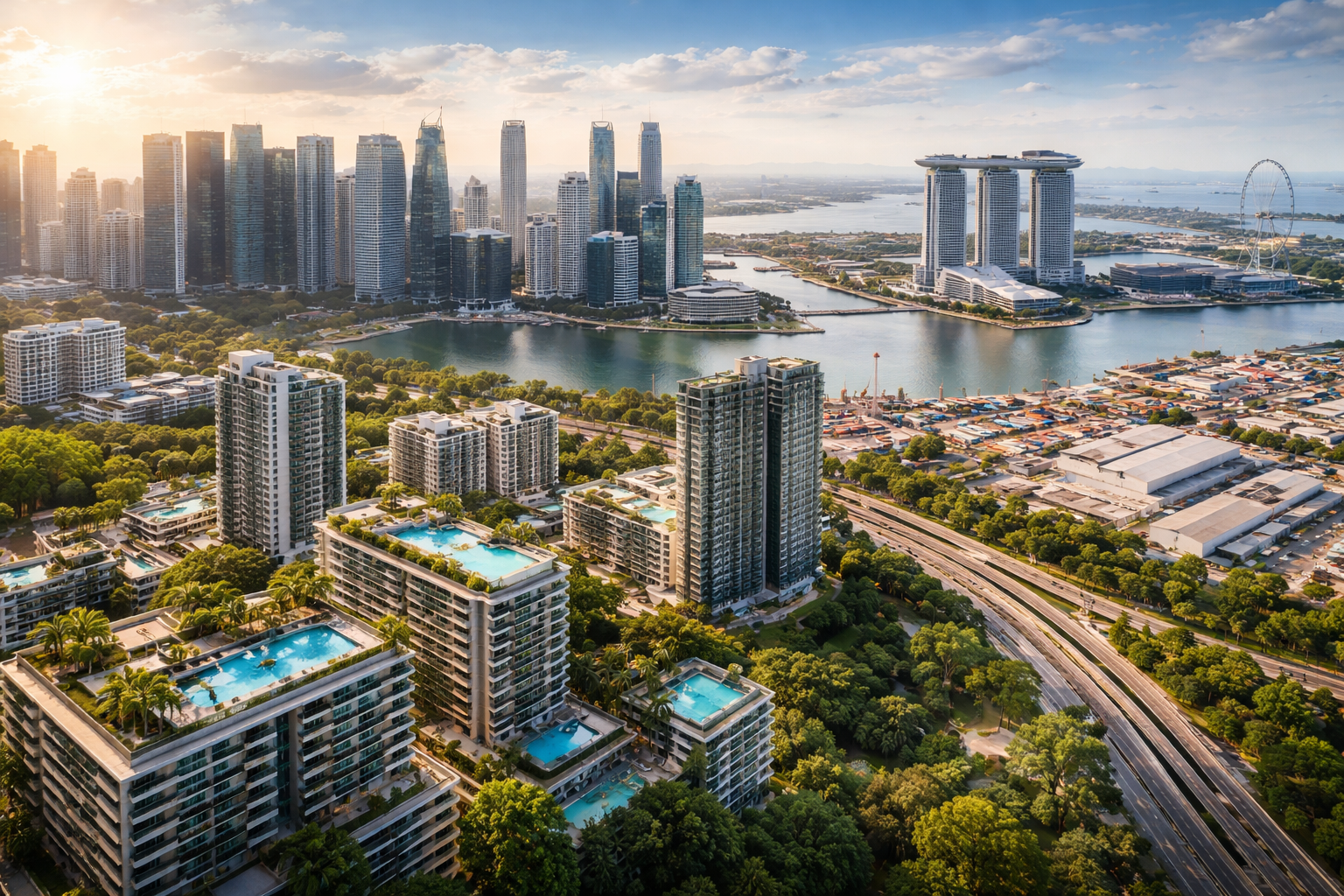
Singapore’s real estate market has developed a reputation for consistency, sophistication, and long-term value. Although the country covers a limited physical area, its property industry remains dynamic because it is supported by strong institutions, strategic urban planning, and ongoing economic relevance. Investors are often drawn to Singapore not because it promises reckless short-term gains, but because it offers a structured environment where assets can hold value and grow steadily over time.
A major feature shaping Singapore’s property sector is scarcity. Land is limited, and every development decision is made within that constraint. This gives real estate a natural sense of exclusivity, especially in well-located districts. At the same time, Singapore continues to attract global businesses, investors, professionals, and families who need places to live, work, shop, and operate. The interaction between tight supply and sustained demand makes property a compelling long-range investment.
Residential property remains one of the most visible sectors. High-end condominiums in central areas are popular among wealthy buyers who prioritize location, prestige, and access to business districts. Yet growth is not limited to prime neighborhoods. Developments in suburban zones have gained attention due to better transport systems, integrated town planning, and lifestyle amenities that make these areas increasingly attractive. For buy-to-let investors, residential units may generate rental income from expatriates, executives, and local tenants, though returns depend heavily on acquisition costs and government policies.
Government intervention is a defining feature of the Singapore market. Authorities regularly introduce measures such as stamp duties, loan restrictions, and seller regulations to discourage excessive speculation. This can seem restrictive to aggressive investors, but it also reduces the risk of uncontrolled price bubbles. In many ways, this policy framework is one reason Singapore remains appealing: it is a market shaped by discipline rather than disorder.
The commercial sector offers another avenue for investors. Singapore’s position as a financial and corporate center supports demand for premium office space, especially in central locations. Global firms often prefer high-quality buildings with strong accessibility and modern facilities. Even as hybrid work models reshape space requirements, prime office properties remain important because many businesses still value a physical presence in a respected regional hub.
Retail real estate has also adapted rather than disappeared. Consumer habits have shifted due to e-commerce, but shopping destinations in Singapore increasingly function as lifestyle centers. Retail assets connected to transport nodes or mixed-use developments tend to remain attractive because they combine convenience, dining, entertainment, and daily services. This creates a more durable revenue base than traditional retail formats that rely solely on shopping activity.
Industrial property deserves close attention as well. Singapore’s advanced economy depends on logistics, biomedical production, technology infrastructure, and precision manufacturing. This creates demand for warehouses, business parks, high-tech industrial facilities, and digital infrastructure such as data centers. Investors who look beyond conventional residential assets may find these sectors especially relevant in a modern economy increasingly shaped by online services and efficient supply chains.
Of course, the market is not without challenges. Entry prices are high, foreign ownership can involve substantial tax costs, and rental yields are often moderate compared with riskier markets elsewhere. Success therefore depends on a clear investment strategy, careful asset selection, and realistic expectations. Singapore is generally better suited for investors seeking resilience, regulatory clarity, and long-term wealth preservation than for those chasing fast speculative profits.
What makes the market especially compelling is the way property is integrated into the country’s wider economic story. Real estate in Singapore is not simply about buildings; it reflects the nation’s position in international finance, commerce, technology, and urban innovation. That broader foundation explains why the sector continues to progress and remains a respected destination for property investors.