As one of the leading cities in Asia, Singapore’s approach to infrastructure development sets a standard for urban innovation and sustainability. The country’s infrastructure companies are not only responsible for building essential physical structures, such as roads and buildings, but also for implementing high-tech solutions that ensure the city remains smart, sustainable, and resilient in the face of modern challenges.
The government’s vision of transforming Singapore into a Smart Nation is deeply integrated with the infrastructure sector. The goal is to make urban living more efficient, comfortable, and environmentally responsible. Infrastructure companies in Singapore, through strategic partnerships and forward-thinking projects, are key players in turning this vision into reality.
Integrating Smart Systems for Urban Efficiency
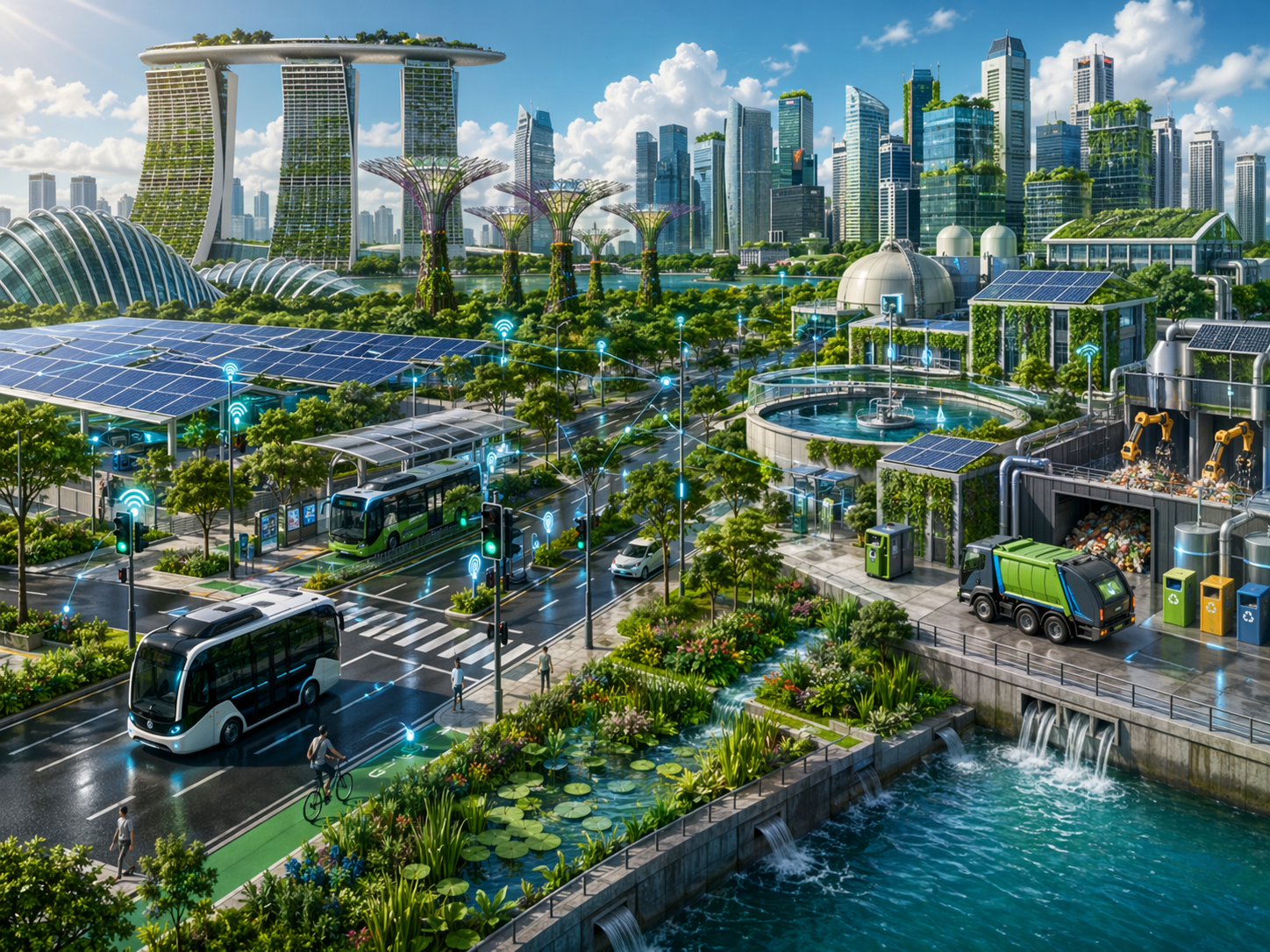
A cornerstone of Singapore’s infrastructure evolution is the use of smart technologies to improve the quality of life for its residents. These smart systems are being integrated into every aspect of the city, from traffic management to public safety and energy distribution. For instance, infrastructure companies in Singapore are actively contributing to the implementation of smart traffic lights, sensors to track air quality, and digital platforms that provide real-time data on various urban functions.
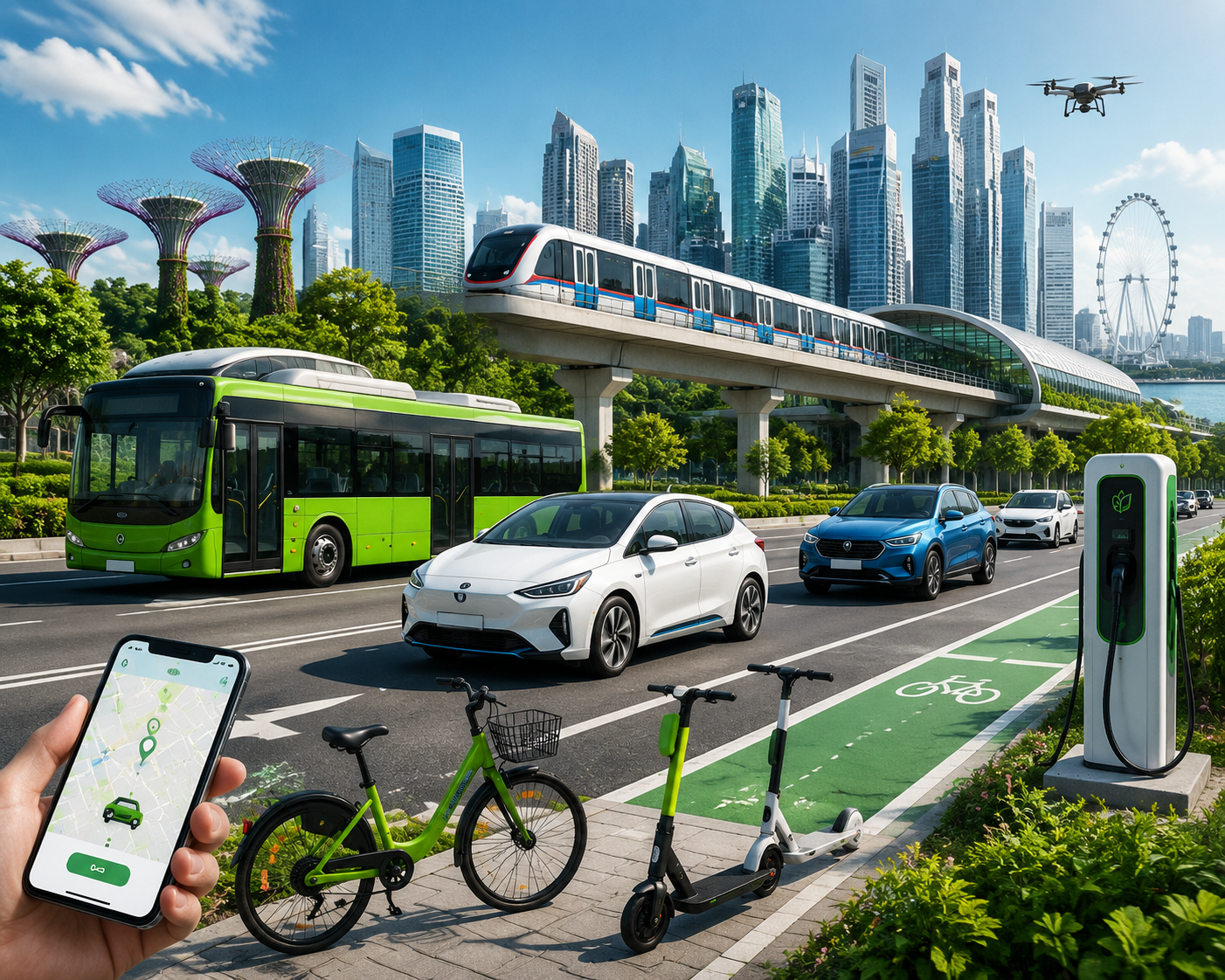
Transportation infrastructure, in particular, is a major area of focus. Companies like LTA (Land Transport Authority) and SMRT are investing in autonomous vehicles and smart public transport systems. The aim is to reduce traffic congestion and carbon emissions, while improving accessibility for all citizens.
Green Architecture and Eco-Friendly Urban Design
Sustainability is at the heart of Singapore’s infrastructure development. The city has long been a proponent of green architecture and energy-efficient building designs. Infrastructure companies are leading efforts to construct buildings that minimize energy consumption, optimize water usage, and use eco-friendly materials.
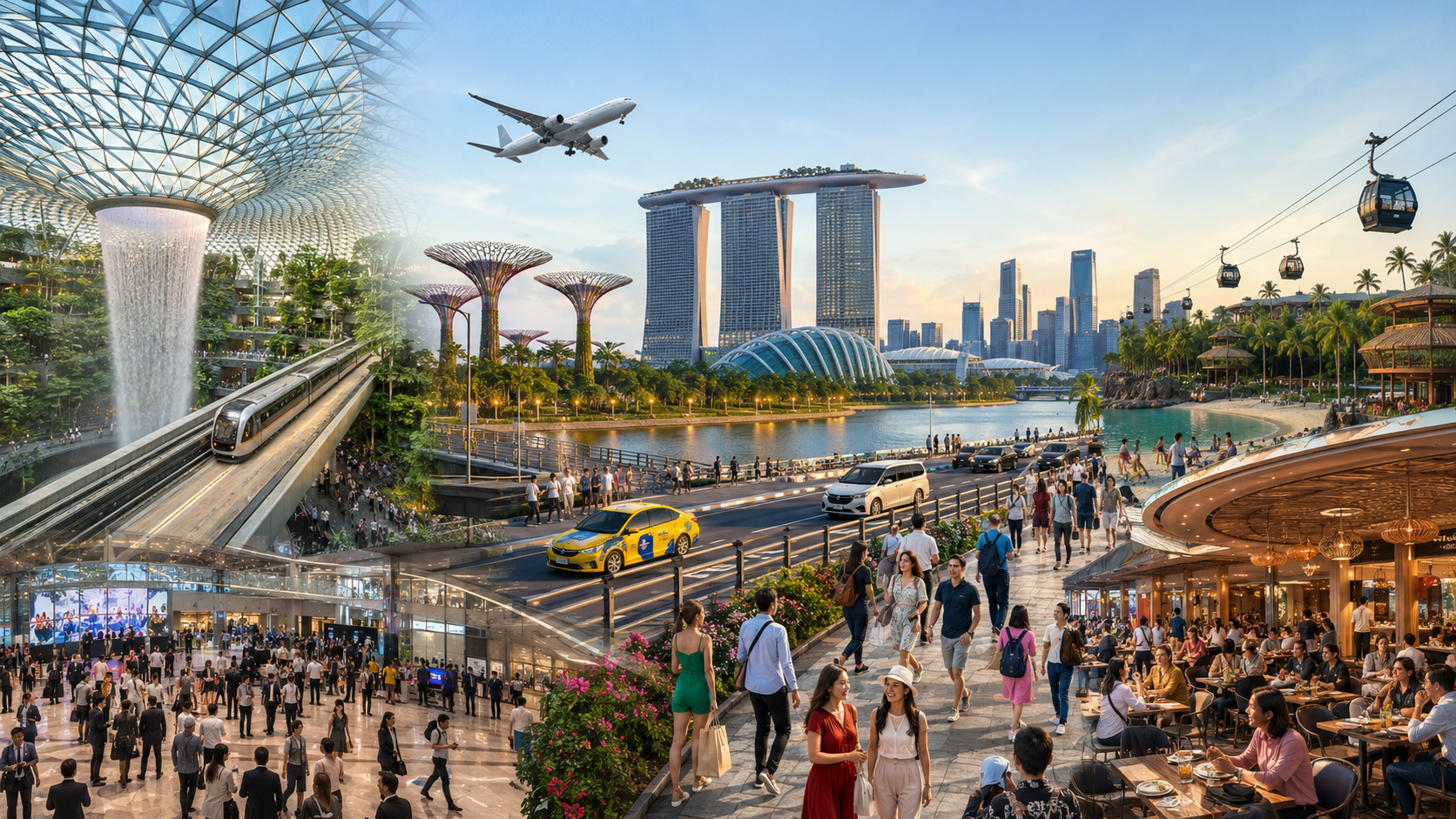
The government has established the Green Building Council and offers incentives to companies that meet stringent sustainability standards. As a result, Singapore is home to numerous environmentally conscious developments, such as the Changi Airport Terminal 4 and the iconic Jewel Changi complex, which combines modern architecture with natural elements like indoor gardens and water features.
Infrastructure companies are also exploring vertical gardens and green roofs as solutions to combat the urban heat island effect and promote biodiversity within the city. These sustainable initiatives not only contribute to the environment but also help create healthier living spaces for residents.
Water Sustainability: A Model for the World
Water scarcity is a global issue, and Singapore is pioneering solutions that can be replicated in other parts of the world. Infrastructure companies in the nation have developed world-class water management systems to ensure the city-state’s long-term water security. The NEWater initiative, which treats wastewater for reuse, is a prime example of how technology can be applied to solve critical resource management problems.
In addition to wastewater recycling, the city also relies on desalination plants, which extract freshwater from seawater. These initiatives, alongside rainwater harvesting and efficient distribution networks, help ensure that Singapore has a reliable water supply despite its limited natural resources.
Waste Management and Recycling Innovations
Singapore’s waste management infrastructure is another area where companies are implementing smart, eco-friendly solutions. The country operates on a “Zero Waste” policy, which encourages the recycling and repurposing of waste materials. Companies such as SembWaste have been pivotal in developing waste-to-energy technologies and automated waste collection systems, reducing the amount of waste sent to landfills.
In addition, Singapore has integrated waste management solutions within public spaces. For example, smart waste bins, which alert service providers when full, are increasingly being deployed to optimize waste collection processes and reduce unnecessary trips.
Adapting to Climate Change and Urban Resilience
As sea levels rise and extreme weather events become more common, infrastructure companies in Singapore are adapting the city’s infrastructure to withstand the effects of climate change. This includes the construction of flood barriers, seawalls, and stormwater management systems to protect vulnerable areas from flooding.
The city-state has also committed to reducing its carbon footprint and integrating green spaces into urban areas. Public parks, green corridors, and nature reserves are being incorporated into urban developments, helping to mitigate the urban heat island effect and improve air quality.
Singapore’s infrastructure companies are playing an essential role in developing innovative solutions that not only meet the needs of today’s residents but also anticipate the challenges of the future. By combining cutting-edge technologies with sustainable practices, they are helping to create a model for cities around the world to follow.