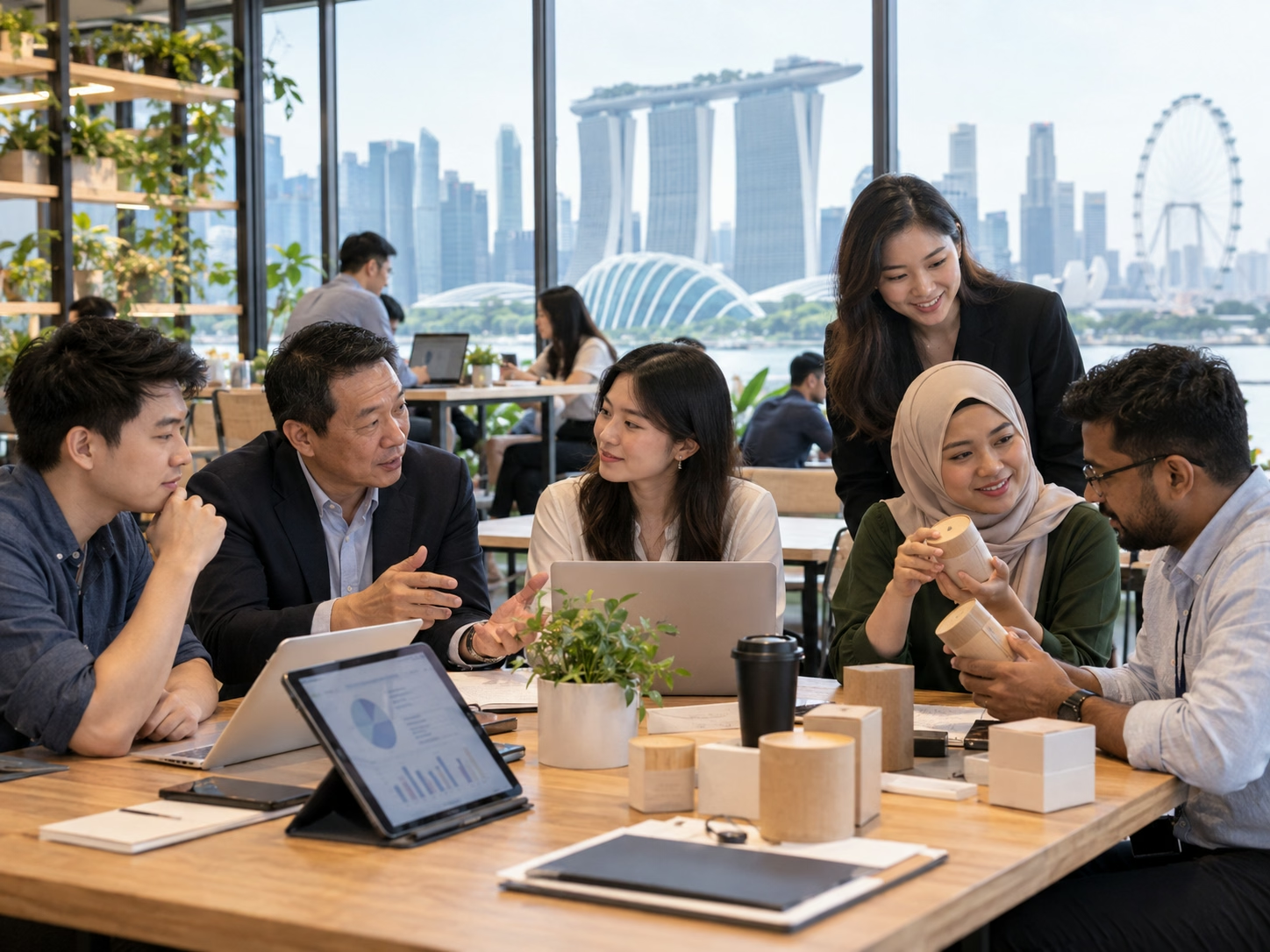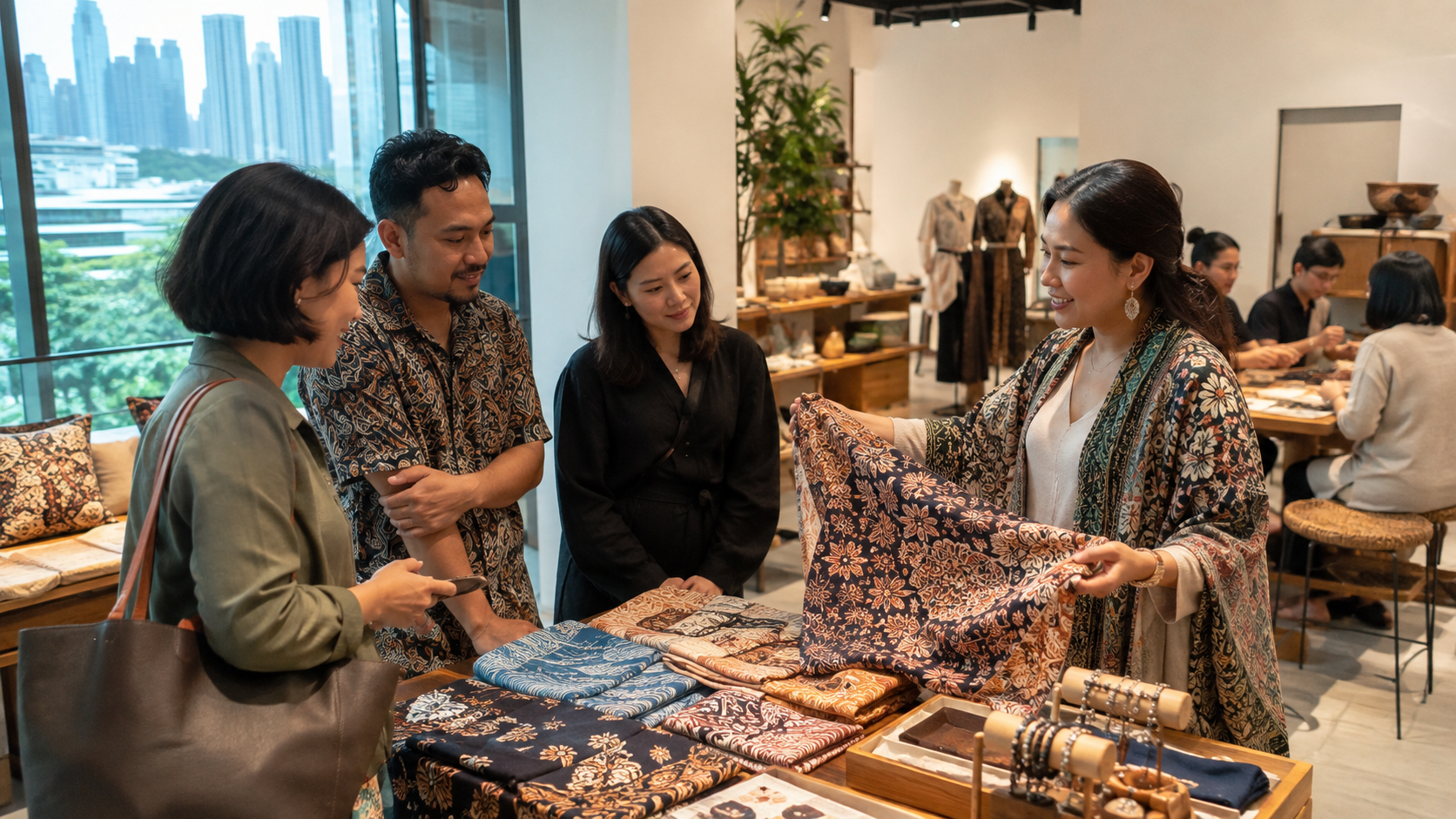
Singapore’s arts ecosystem is no longer defined only by traditional galleries. In 2026, creative entrepreneurs are combining physical art spaces with digital platforms, international trade, and tourism experiences to open multiple revenue channels. The result is a more stable and commercially viable environment for independent art businesses.
Physical Art Districts Are Expanding, Not Shrinking
Despite the global shift toward online sales, Singapore’s physical art clusters remain central to deal-making and relationship building. Gillman Barracks and Tanjong Pagar Distripark continue to host galleries, creative studios, and art services firms. These spaces function as business infrastructure, giving new entrants visibility and direct access to collectors.
Art Week 2026 Showed Strong International Buyer Interest
Singapore Art Week 2026 brought regional collectors, institutional buyers, and corporate clients into the same venues where independent studios operate. The event strengthened the position of local art districts as hubs for Southeast Asian art transactions. According to the Singapore Tourism Board’s arts and culture page, updated for 2026, arts-driven events are now a key part of Singapore’s visitor economy. The page is available at https://www.visitsingapore.com/en/see-do-singapore/arts/art-week/.
Digital Art and Online Curation Create Lower-Cost Entry Points
Virtual Galleries and NFTs Are Maturing Into Serious Revenue Channels
Digital art is no longer treated as a speculative side market. Online viewing rooms, virtual curation services, and blockchain-authenticated works are generating repeat revenue for Singapore-based sellers. Because Singapore has clear digital asset regulations, creative entrepreneurs can use the city-state as a safe base for international digital art transactions.
Real Case: An Independent Curator Building a Cross-Border Art Business
A Singapore-based curator started in 2025 by offering online exhibition design for regional galleries. By early 2026, the business had expanded into physical pop-up shows, corporate art advisory, and a subscription-based digital art newsletter. The founder used Singapore’s logistics and legal clarity to manage cross-border shipping and payments, turning a solo consultancy into a five-person creative firm.
How to Position Your Arts Business for the 2026 Market
Identify a specific buyer segment instead of trying to serve everyone. Build a digital sales layer before signing long-term physical leases. Use Singapore’s free trade agreements and art logistics providers to lower export friction. Partner with art week programmes to gain visibility without paying for a full fair booth. Combine high-ticket physical works with lower-priced digital products to stabilise cash flow.
Operators who treat Singapore as both a domestic market and a regional launchpad are finding the strongest growth.