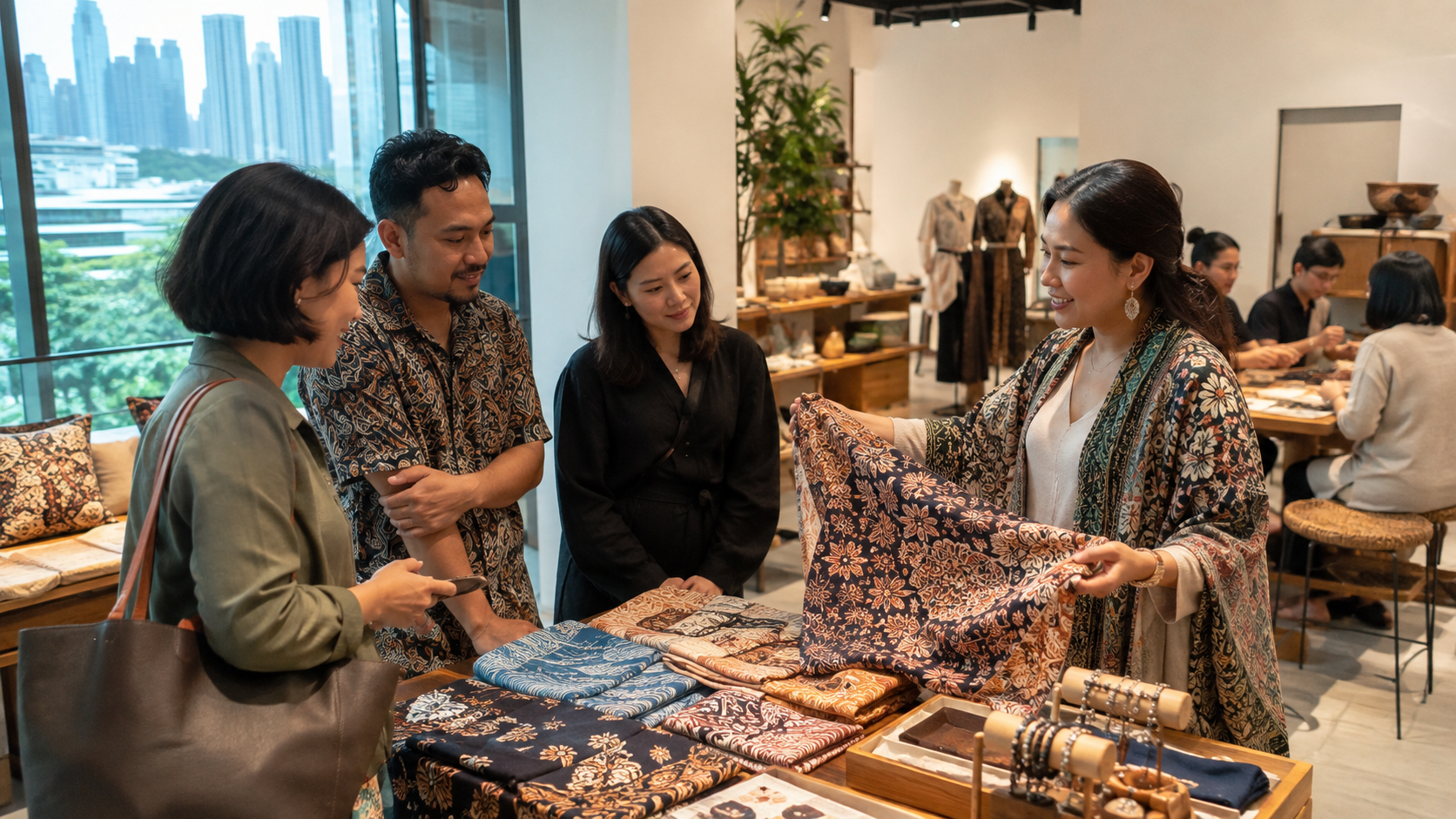
Singapore offers many opportunities for small and medium enterprises, but it also presents serious branding challenges. Consumers have access to countless choices, from neighborhood businesses to international companies. To succeed, SMEs need a brand that does not simply exist in the market, but stands out with a clear message, strong reputation, and meaningful customer experience.
The foundation of brand development is differentiation. SMEs should identify what makes their business valuable and unique. This may come from product quality, service style, local knowledge, convenience, innovation, pricing, or ethical values. A company that cannot explain its difference may struggle to attract loyal customers. A clear point of difference gives the brand a stronger reason to be remembered.
After defining the brand’s uniqueness, businesses must understand their audience. Singapore’s customer base is multicultural and modern, with people who are often well-informed before buying. SMEs should study customer needs, online behavior, lifestyle patterns, and decision-making factors. A brand targeting working parents will need a different message from one targeting students, tourists, or corporate clients.
A strong digital presence is necessary in Singapore’s business environment. Customers often check websites, reviews, social media, and search results before visiting or purchasing. SMEs should make their digital platforms look professional and easy to use. A website should clearly explain products, prices, benefits, contact information, and the brand story. Social media should support the brand image with consistent visuals and useful content.
Content is one of the most effective tools for building brand authority. SMEs can publish tips, guides, videos, product explanations, case studies, or customer success stories. This type of content helps customers learn while also showing the business’s expertise. For instance, a pet store can share care advice, while a home-cleaning company can post hygiene tips for small apartments. Helpful content creates repeated interaction and improves brand recall.
Local relevance is another important factor. Singapore customers may appreciate brands that understand local habits, seasons, events, and community interests. Marketing campaigns can be adapted to local festivals, school periods, office lifestyles, or neighborhood needs. However, brands should communicate respectfully and avoid stereotypes. Cultural awareness can make marketing feel more personal and relatable.
Customer service strongly affects brand perception. A small business can compete with larger companies by being more responsive, personal, and flexible. Quick replies, polite communication, smooth transactions, and after-sales support can turn first-time buyers into repeat customers. In a competitive market, experience often becomes part of the brand itself.
SMEs should also consider partnerships to increase reach. Collaborating with other local businesses, micro-influencers, or community events can help brands gain attention without spending heavily on advertising. Smaller influencers with engaged audiences may be more effective than large personalities with broad but less targeted followers.
Visual identity and tone of communication should remain consistent. The logo, colors, fonts, packaging, captions, advertisements, and customer messages should express the same personality. Consistency makes a business appear organized and reliable.
Building a brand in Singapore requires patience and strategic planning. SMEs that combine differentiation, market understanding, digital visibility, useful content, local relevance, customer care, and consistent branding can create a stronger position in the marketplace.