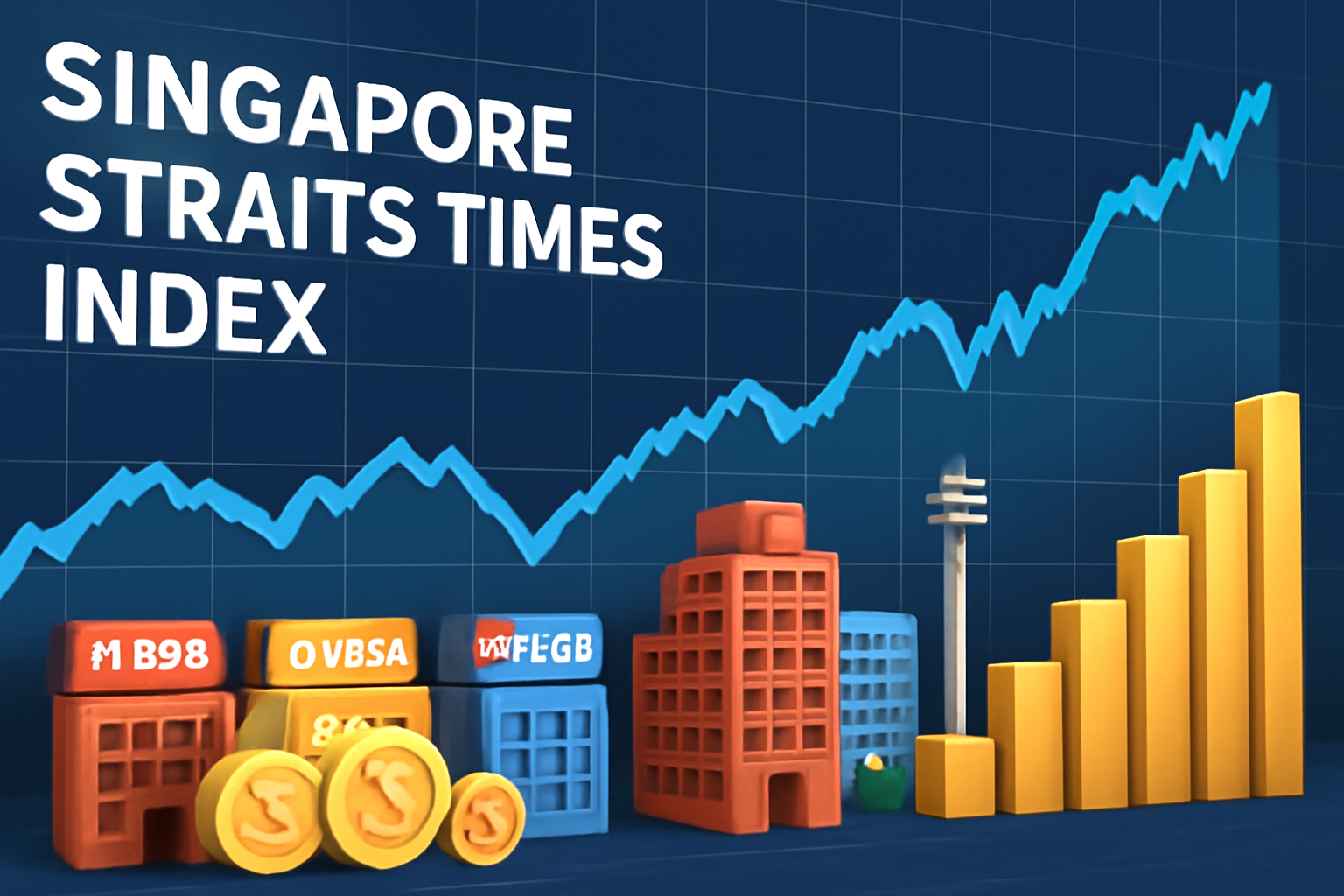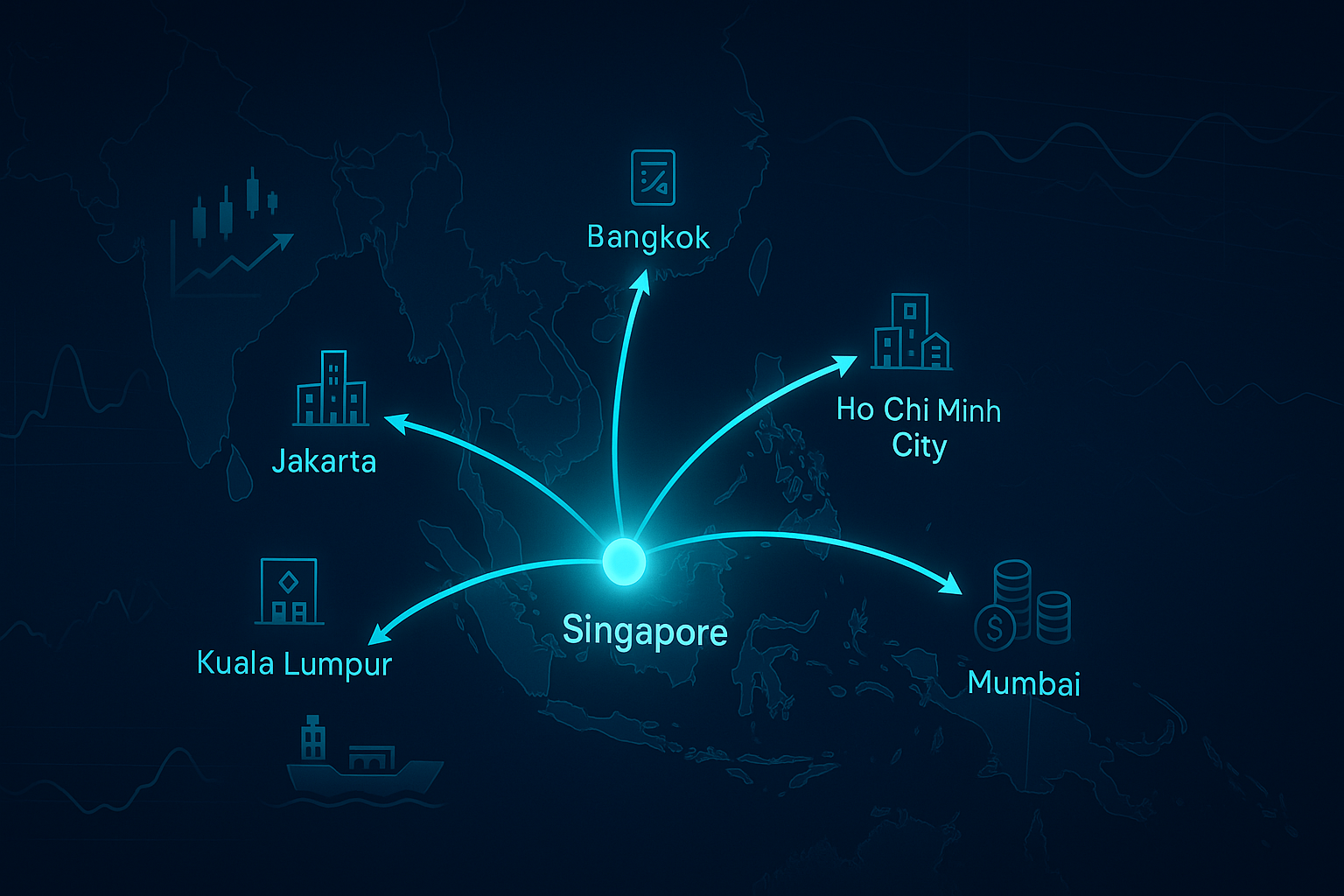
Singapore’s impact on stock markets is less about headline-grabbing deals and more about the machinery behind them. Policy architecture is the starting point. MAS integrates supervision across banking, insurance, capital markets, and payments, which reduces regulatory gaps. Licensing emphasizes financial soundness, fit-and-proper standards, and operational resilience, cultivating confidence among global allocators.
Market structure complements policy. SGX operates a multi-asset marketplace spanning equities, REITs, ETFs, derivatives, and commodities. Co-location services, strict tick-size regimes, and robust clearing lower latency and settlement risk. For equity investors, this means orders fill with less slippage, and hedges execute where they’re most liquid.
Information quality is the third pillar. Mandatory continuous disclosure, analyst briefings, and high adoption of IFRS accounting keep financial statements comparable. The sell-side coverage that clusters in Singapore refines consensus forecasts and channels them into models used by funds worldwide. Better information compresses the equity risk premium, supporting higher valuations for issuers that meet governance thresholds.
A standout feature is the REIT ecosystem. Singapore’s legal framework enables tax transparency, prudent leverage, and frequent reporting. Because these trusts own assets across multiple countries, their units become vehicles for regional property exposure. As yields adjust to global rates, price signals from Singapore inform property valuations from Tokyo offices to Jakarta malls, and spill over into related equities like developers, contractors, and lenders.
Treasury centralization magnifies feedback loops. Multinationals run cash pooling, FX hedging, and intercompany funding from Singapore. When FX basis widens or policy rates shift, CFOs can swiftly alter dividend schedules, issuance plans, or buyback programs. Equity markets respond to these decisions, reinforcing Singapore’s role as the cockpit for corporate finance in Asia.
Technological adoption keeps the system current. Digital exchanges, wealth platforms, and regtech solutions streamline onboarding and surveillance. This modernization improves access for retail and private wealth, increasing turnover and stabilizing liquidity. Family offices add a long-horizon counterweight to fast money, cushioning drawdowns.
For portfolio construction, the practical takeaways are clear: monitor Singapore banks for readouts on regional credit and trade; track REITs and logistics names for signals on consumption and travel; and use Singapore-listed ETFs and index futures to calibrate beta while hedging currency risk. Together, these tools make the city not just a venue, but a control panel for navigating Asian equities.