In the heart of Asia, Singapore has emerged as a pioneer in the adoption of digital payment systems, driving innovation in the realm of financial transactions. The city-state’s proactive approach to integrating technology with finance has enabled the development of a robust digital payment ecosystem that is reshaping how individuals and businesses manage money.
The Singaporean government has been instrumental in fostering this growth, with initiatives like the Smart Nation program and the Monetary Authority of Singapore (MAS)’s regulatory support paving the way for digital transformation. These efforts have enabled the development of cutting-edge payment solutions, allowing Singapore to position itself as a leader in the fintech space.
One of the key innovations in Singapore’s digital payment system is PayNow, a real-time payment service that was launched in 2017. PayNow allows individuals to transfer money directly from one bank account to another using a mobile number, NRIC, or FIN. This convenience has made PayNow a popular choice among Singaporeans for peer-to-peer payments, with millions of users benefiting from the service’s quick and easy transaction process.
In addition to PayNow, the growth of mobile wallets and digital payment platforms has further expanded the range of options for consumers. Apps such as GrabPay, DBS PayLah!, and FavePay allow users to make payments, manage loyalty points, and access discounts—all from their smartphones. These services have not only increased convenience but also helped drive the widespread adoption of cashless payments.
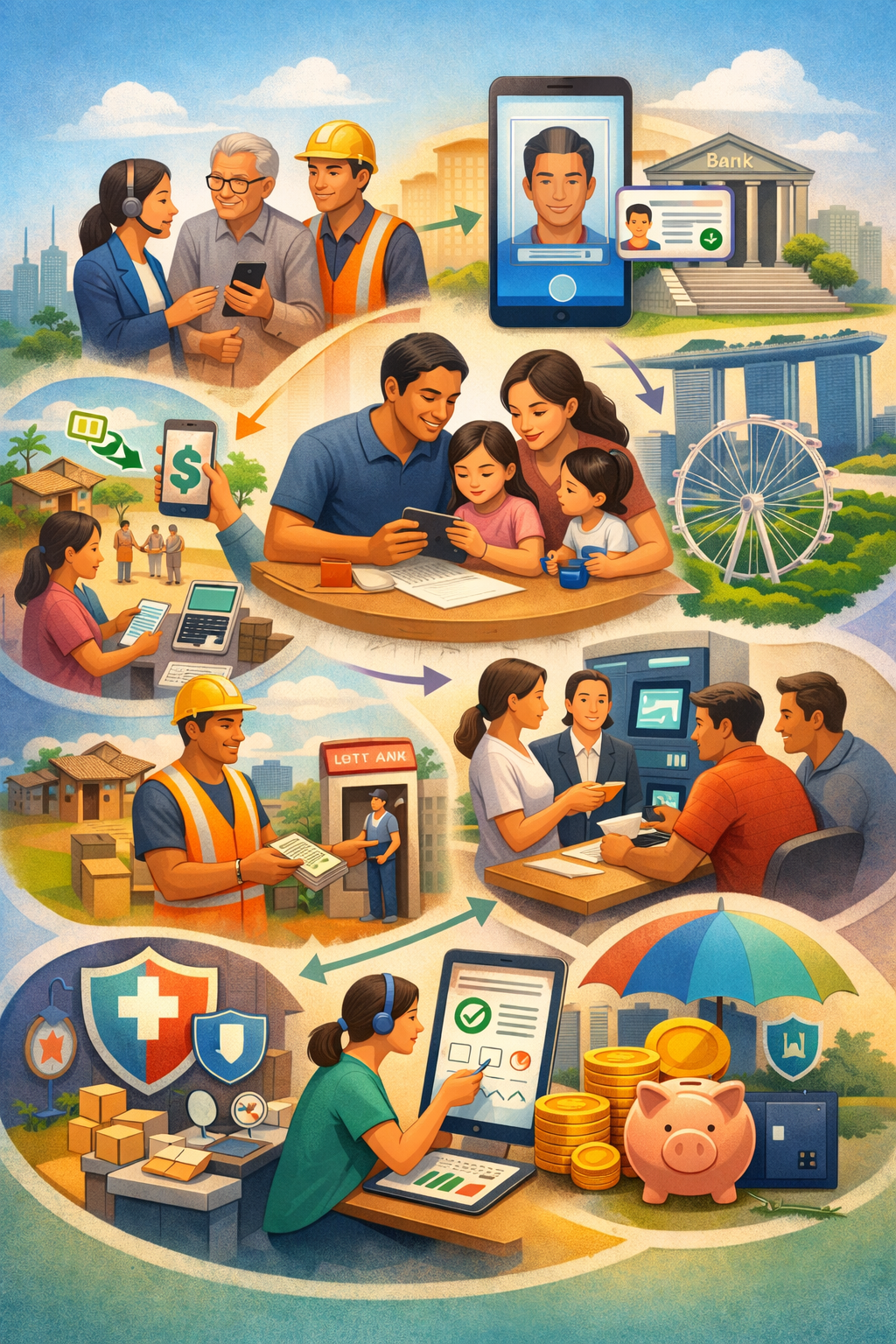
Singapore’s commitment to financial inclusion is evident in its efforts to make digital payments accessible to all. By collaborating with fintech startups and traditional banks, the country has ensured that even those without access to conventional banking services can benefit from digital payments. Services like OCBC’s digital banking platform and the SingPass Mobile app provide a means for unbanked individuals to engage with the digital economy, helping bridge the gap for underserved populations.
Security is another cornerstone of Singapore’s digital payment system. Given the sensitivity of financial transactions, the country has implemented rigorous cybersecurity measures to protect users’ data. Technologies such as biometric authentication, two-factor authentication, and end-to-end encryption are standard features across many platforms, providing users with peace of mind when conducting transactions.
The COVID-19 pandemic has only accelerated the shift towards digital payments, with both consumers and businesses embracing contactless methods to reduce physical interactions. The government has supported this transition by introducing incentives and policies that encourage businesses to adopt cashless payment solutions. As a result, digital payments have become the preferred method for everyday transactions in Singapore, with cashless options now commonly accepted in stores, restaurants, and even hawker centers.
Looking to the future, Singapore is exploring the integration of blockchain technology and central bank digital currencies (CBDCs) to enhance its digital payment systems. The MAS has been working on projects like Project Ubin, which aims to explore how blockchain can be used to improve payment efficiency and reduce costs. These developments are poised to play a significant role in shaping the next generation of financial transactions, not just in Singapore, but globally.
With continued innovation, strong regulatory frameworks, and an unwavering focus on security and inclusion, Singapore’s digital payment ecosystem is set to continue its growth and influence. As the world embraces a more digital-first economy, Singapore’s leadership in this space will be a model for other countries looking to innovate their own financial systems.