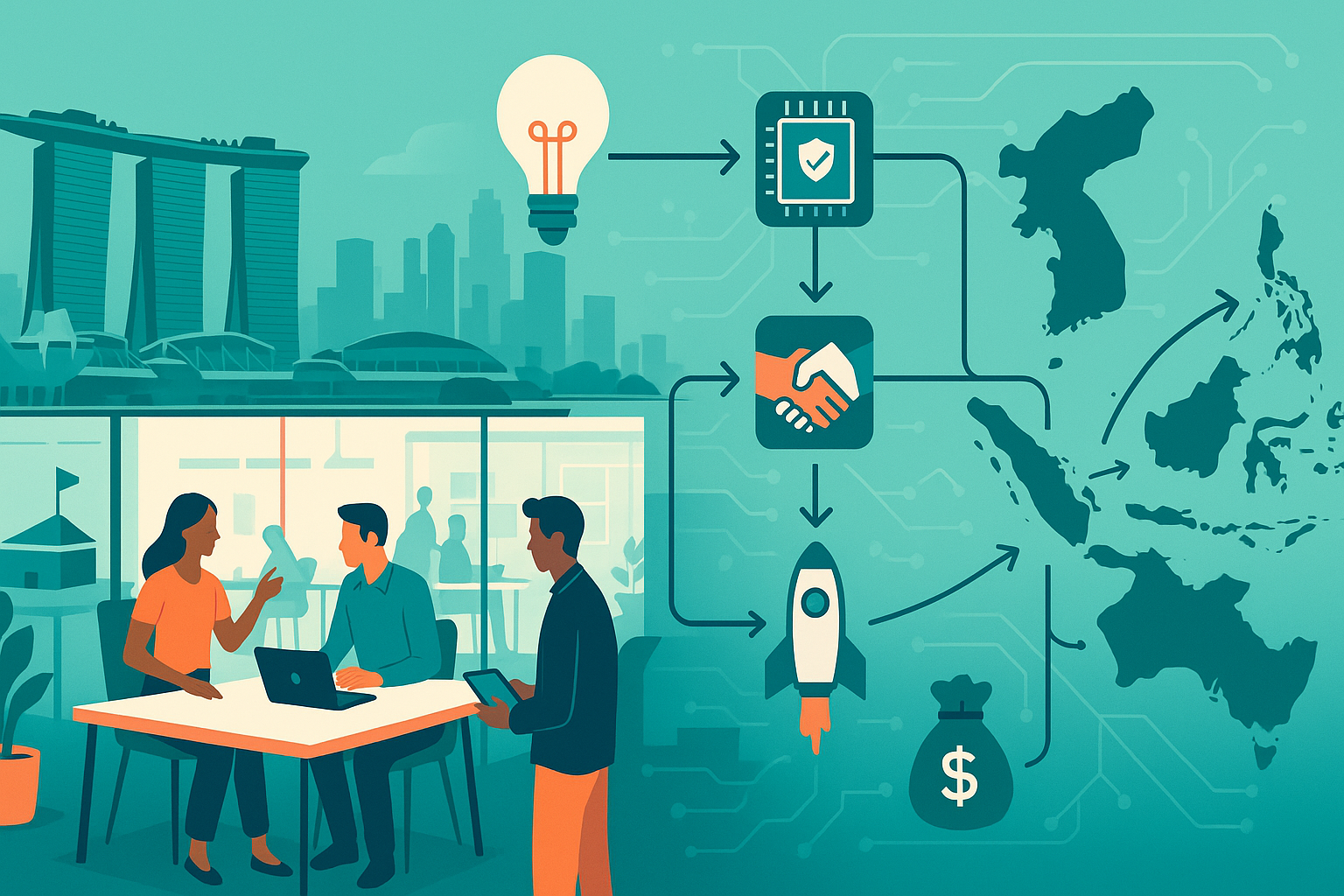
Singapore’s rise as an innovation hub is closely tied to its deliberate focus on entrepreneurship education. Recognizing that entrepreneurial talent does not appear by chance, the country has embedded entrepreneurial learning across various levels of its education system. The aim is to develop individuals who are not only employable, but also capable of creating new opportunities for themselves and others.
At the school level, entrepreneurship is introduced through project-based learning and co-curricular activities. Students may participate in “young entrepreneur” clubs, school-based markets, or social innovation projects. These initiatives give them a taste of what it means to identify customer needs, design solutions, and manage budgets. In the process, they develop soft skills such as critical thinking, time management, and public speaking. Understanding how value is created and delivered helps demystify business and sparks early interest in entrepreneurial careers.
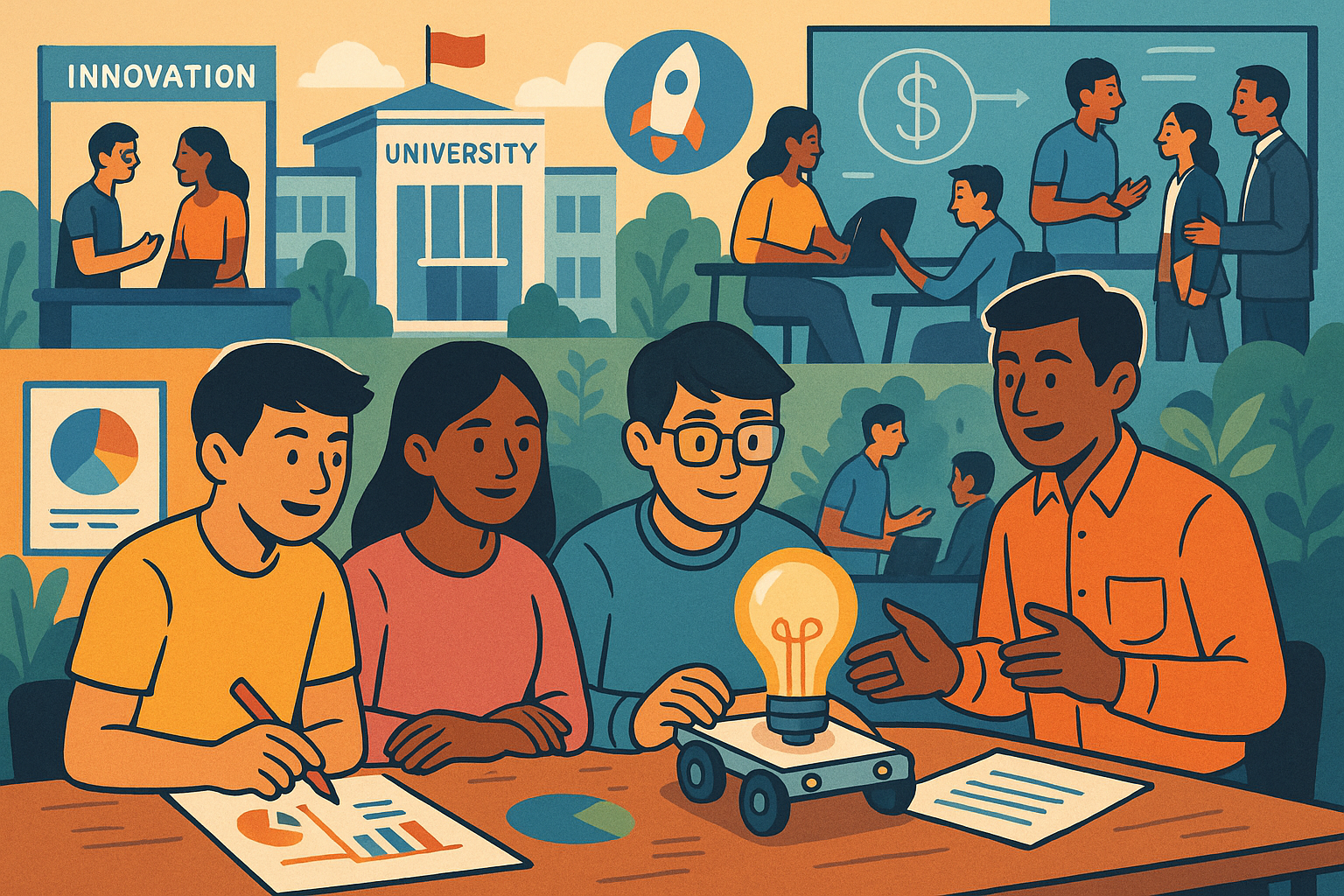
As students move into post-secondary education, the content becomes more rigorous. Polytechnics and universities provide a wide range of entrepreneurship-related modules that cover topics like business strategy, startup finance, digital innovation, and global markets. Many programs encourage students to form teams and work on their own startup ideas, which they then pitch to panels of professors and industry judges. This experience helps them refine their ideas, receive constructive feedback, and learn how to communicate value propositions clearly.
Learning environments in Singapore are designed to support experimentation. Innovation labs and makerspaces on campuses provide tools for prototyping hardware and testing software, while incubators offer shared office spaces, mentoring, and access to investors. These facilities help lower the barriers to entry for students who want to test their concepts. They can build early versions of their products, run pilots, and refine their business models without needing significant initial capital.
Another notable aspect is the international orientation of Singapore’s entrepreneurship education. Many institutions run overseas entrepreneurship programs that place students in vibrant startup ecosystems around the world. Participants may intern at foreign startups, attend networking events, and collaborate with international peers on joint projects. Such experiences widen their perspective, expose them to different regulatory and cultural environments, and encourage them to think beyond the local market.
The public sector reinforces these efforts through policy support and strategic funding. Government agencies provide grants tailored to youth entrepreneurship, training vouchers, and access to advisory services. By aligning education policies with innovation and enterprise strategies, Singapore ensures that entrepreneurial training is not an isolated academic exercise, but part of a broader national plan to foster economic resilience and competitiveness.
Crucially, entrepreneurship education in Singapore also addresses the emotional and psychological aspects of starting a business. Educators stress the importance of perseverance, adaptability, and learning from mistakes. Students hear stories not only of successful founders, but also of those who faced failures and bounced back. This helps normalize the idea that setbacks are part of the entrepreneurial journey, reducing the fear of risk that might otherwise hold young people back.
Taken together, these elements create a rich ecosystem where learning and practice reinforce each other. Singapore’s approach equips young people with practical skills, real-world exposure, and resilient mindsets. By the time they graduate, many students are prepared to explore entrepreneurship as a viable option, adding fresh energy and ideas to the country’s evolving economic landscape.