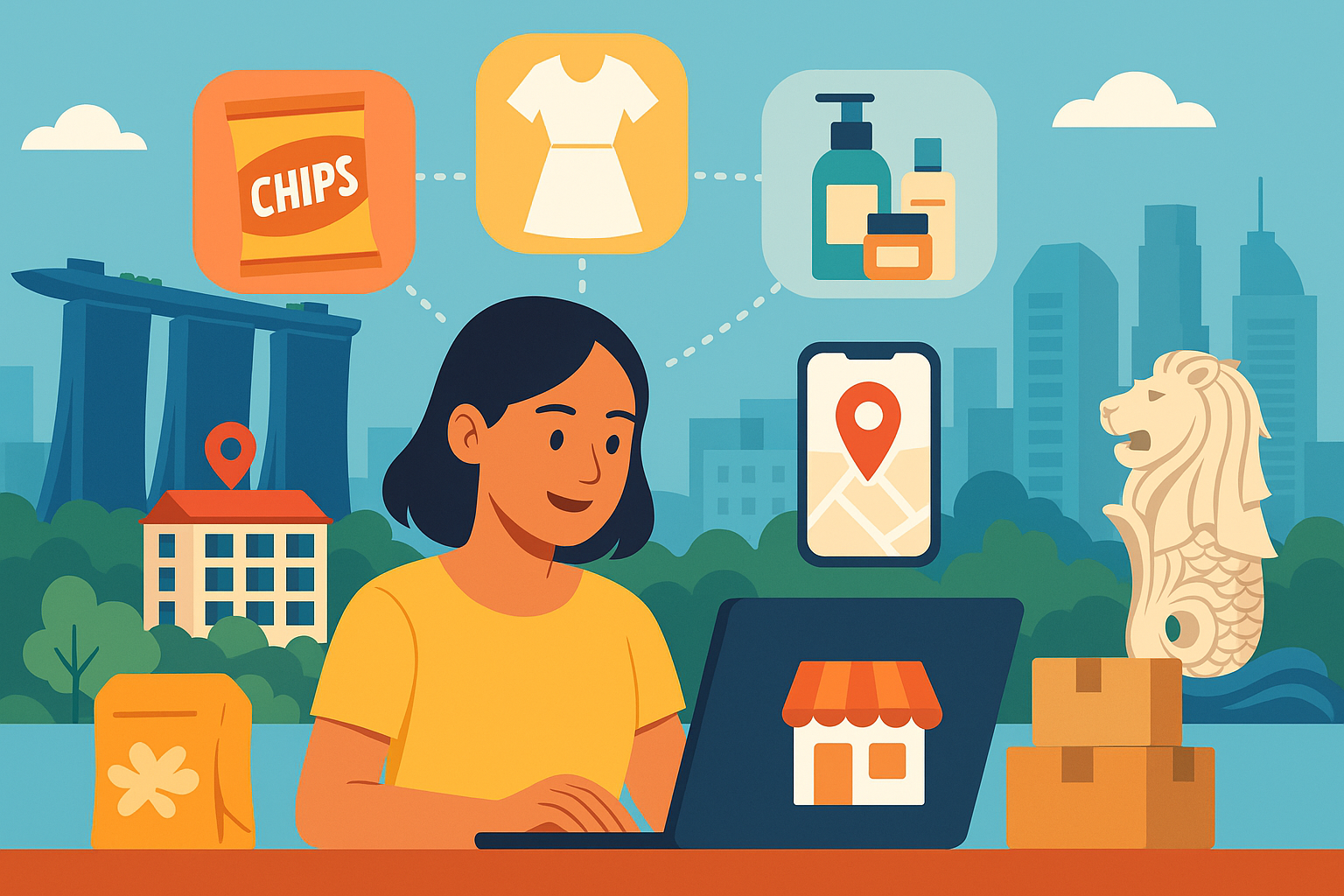
E-commerce trends in Singapore are closely tied to evolving consumer behaviour. Understanding how customers browse, compare, and purchase is crucial for UMKM that want to grow sales through digital channels. In this urban, digitally literate market, expectations around speed, convenience, and trust shape how small businesses design their online strategies.
One of the most noticeable patterns is the dominance of mobile usage. Many shoppers prefer to research and buy directly from their phones. This means every touchpoint—from advertisements to product pages and checkout forms—must be optimized for smaller screens. UMKM that use large, high-quality product photos, clear calls-to-action, and simple navigation menus make it easier for mobile users to complete purchases. Long, complicated forms, on the other hand, often lead to abandoned carts.
Another key trend is the demand for fast and predictable delivery. Singapore’s compact geography has made next-day or even same-day delivery increasingly common. As a result, customers now see speedy shipping as a baseline expectation, not a premium perk. Small businesses can respond by working closely with logistics partners, planning stock more carefully, and clearly communicating delivery times. Offering multiple options—such as home delivery, pickup points, or collection from physical outlets—gives customers the flexibility they expect.
Trust and security are also central. Singaporean consumers are generally willing to shop online, but they prefer platforms and brands that feel credible. That means professional-looking websites, secure payment gateways, clear return and refund policies, and responsive customer service. Displaying customer reviews, using authentic product photos, and providing detailed descriptions all help build confidence. For UMKM, even small gestures—such as fast replies to messages and polite follow-ups—can differentiate them from less reliable sellers.
There is also growing interest in value beyond price. While discounts and promotions remain important, many customers are looking at factors like sustainability, ethical sourcing, and local production. UMKM that share their brand story, highlight local roots, or showcase eco-friendly practices can gain an edge. Storytelling through product pages, blog posts, and social media content helps customers feel that they are supporting a meaningful business rather than buying from a faceless seller.
Technology is reinforcing these behavioural shifts. Tools like chatbots, automated email sequences, and AI-driven recommendations make it easier for small businesses to offer responsive, personalized experiences without large teams. Simple features such as “customers also bought” or “recently viewed” can increase basket size. Meanwhile, analytics tools provide insights into which marketing channels perform best, what times customers are most active, and which products drive repeat purchases. UMKM that take consumer behaviour seriously and align their digital strategies with these evolving expectations are much better placed to succeed in Singapore’s competitive e-commerce environment.