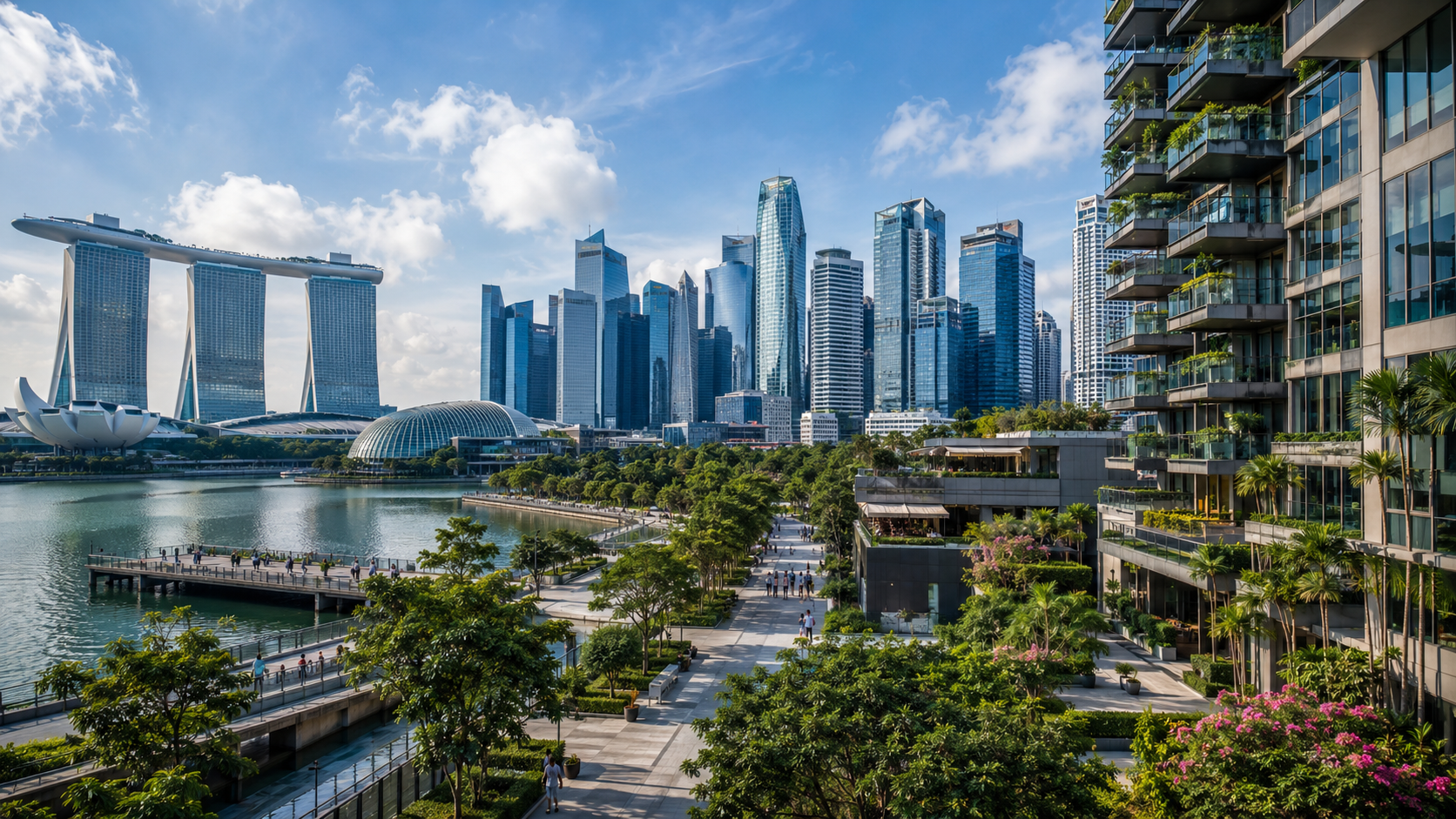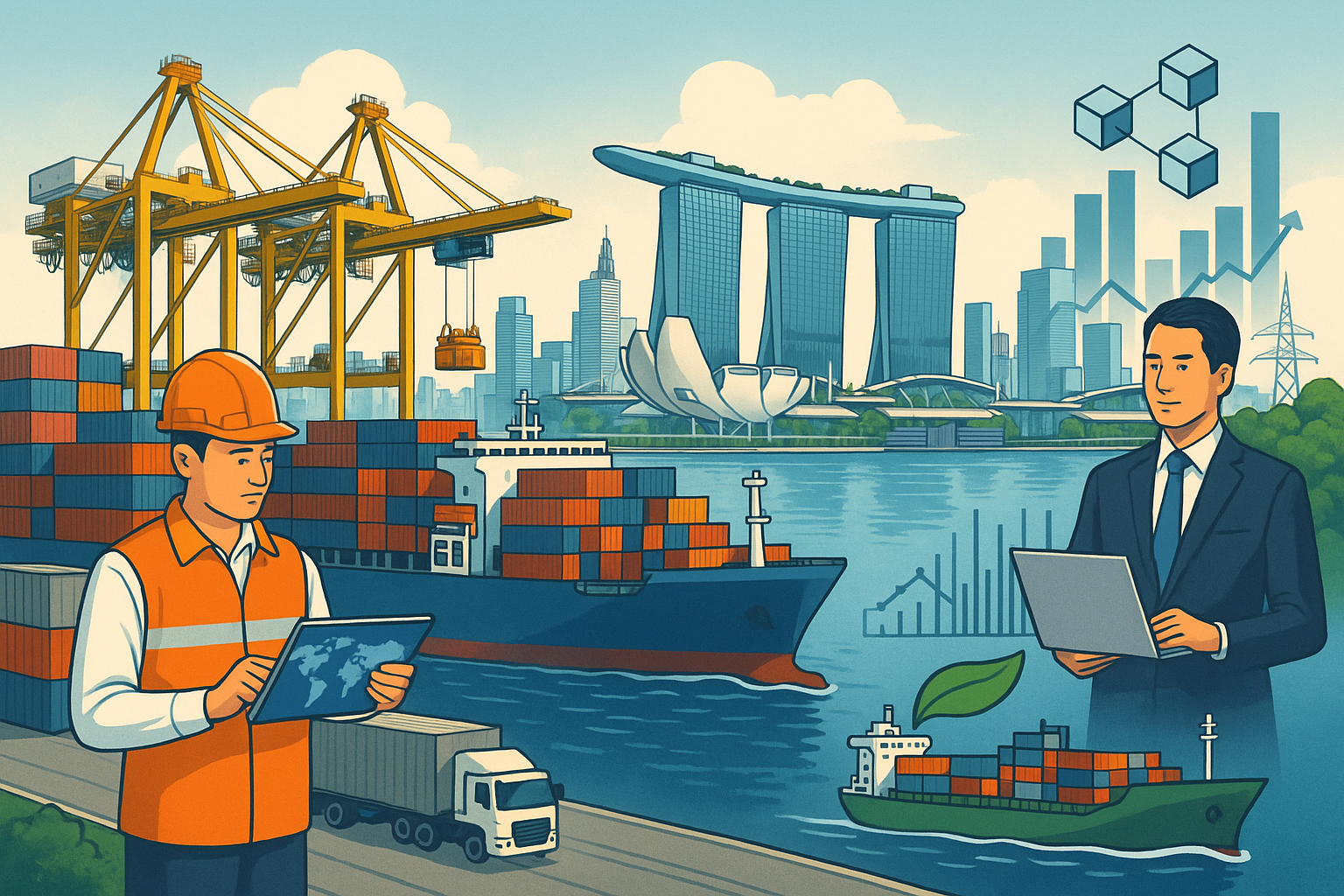
Singapore occupies a unique position in the world economy by performing a dual role: it acts as a physical gateway for goods and a financial gateway for capital. This dual function gives Singapore a powerful influence over international trade flows, even though it is a small country with limited natural resources. The city-state has compensated for its size by focusing on efficiency, reliability, and connectivity on both the logistics and financial fronts.
As a logistics hub, Singapore’s strength lies in its integrated transport network. The Port of Singapore is connected to extensive inland road and rail links, enabling rapid movement of containers to distribution centers and manufacturing bases in the region. The port’s deep-water capabilities allow it to accommodate large container vessels that serve long-haul routes. Meanwhile, Changi Airport’s cargo facilities are designed for quick transfers and tight turnaround times, supporting just-in-time supply chains for electronics, fashion, and other fast-moving sectors.
Free trade zones play a vital role within this ecosystem. In these areas, goods can be stored, processed, or reconfigured without full customs duties being imposed, as long as they are eventually re-exported. This structure is particularly attractive for regional distribution centers that manage inventory for multiple countries. Companies can import bulk shipments into Singapore, break them down, and then dispatch smaller consignments across Asia, optimizing costs and delivery schedules.
Singapore’s role in international finance amplifies its importance in trade. The city-state functions as a major center for offshore banking, wealth management, and capital markets. For trade-related activities, banks in Singapore provide working capital loans, export-import financing, and other credit facilities tailored to global supply chains. These services are essential for exporters and importers who need bridging finance between shipping goods and receiving payment.
The regulatory environment enhances trust. The Monetary Authority of Singapore enforces high standards for compliance, anti-money laundering measures, and risk management. This strong oversight reassures global investors and trading partners that Singapore’s financial system is clean and stable. At the same time, the authorities encourage innovation, allowing fintech firms to collaborate with banks on digital platforms for trade financing, electronic know-your-customer checks, and secure document exchange.
Tax and legal frameworks also contribute significantly. Singapore offers competitive corporate tax rates, clear intellectual property protection, and efficient dispute resolution through its courts and arbitration centers. These factors make it a favored location for regional headquarters and holding companies. When a multinational sets up its Asian base in Singapore, trade-related decisions—such as pricing, procurement, and supply chain design—often flow through the city-state, reinforcing its central role in international commerce.
Beyond traditional trade, Singapore is positioning itself for the future by promoting green logistics and sustainable finance. Initiatives to reduce port emissions, encourage cleaner fuels, and develop sustainable shipping corridors are underway. In finance, Singapore aims to be a leading hub for green bonds and sustainable trade financing, channeling capital toward environmentally friendly projects.
Altogether, Singapore’s twin strengths—in moving goods and managing capital—create a powerful synergy. Efficient logistics infrastructure, supported by advanced financial services and a stable regulatory environment, ensures that the city-state remains a vital link in global trade networks.