Global economic crises pose a serious threat to economies around the world, and Singapore is no exception. As a regional financial powerhouse, Singapore’s economy is intricately linked to global financial markets, meaning that international economic downturns often have direct consequences for the country’s financial services sector. This article explores the impact of such crises on Singapore’s financial institutions and how the country has managed to mitigate the risks associated with global economic disruptions.
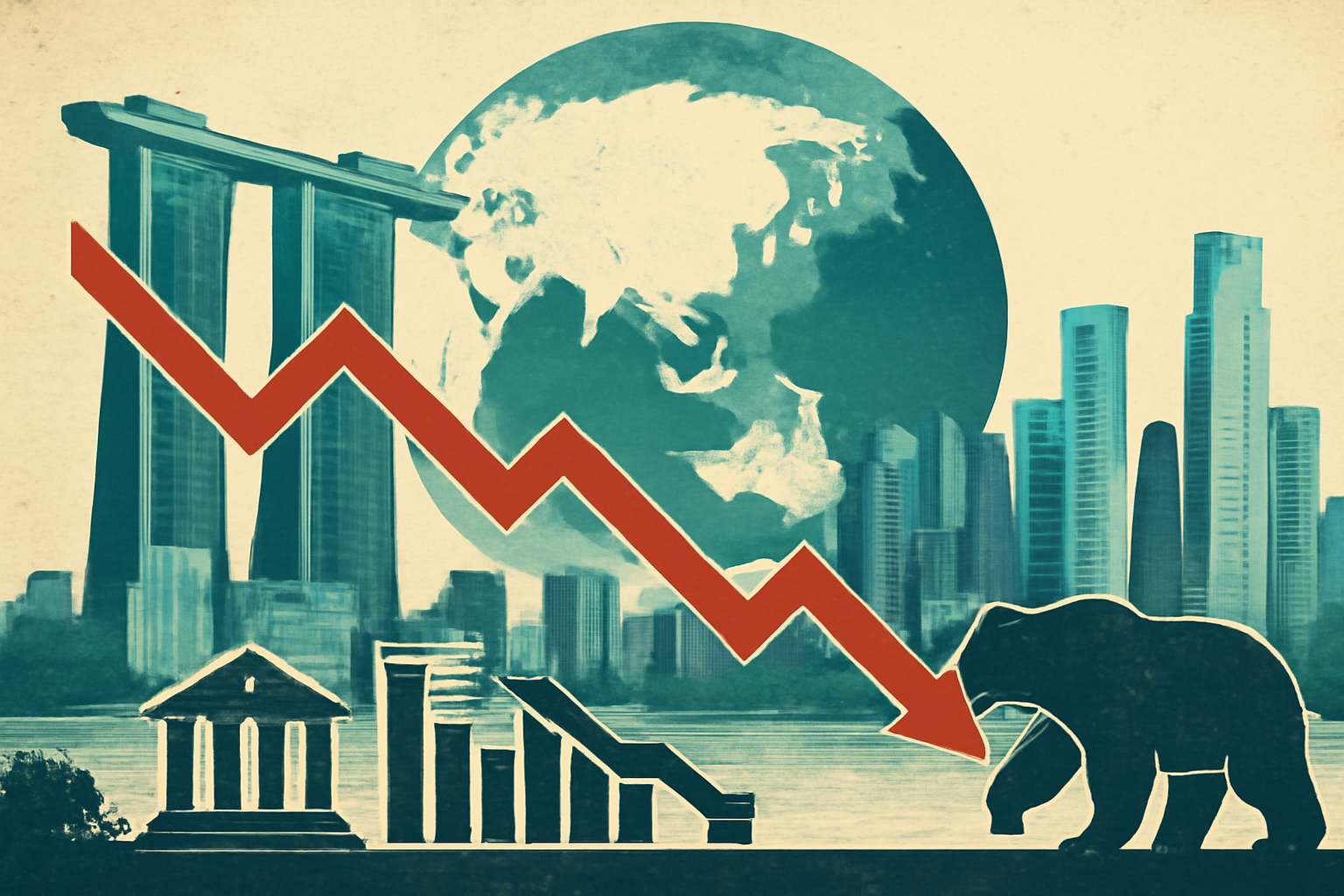
When the global financial crisis struck in 2008, the ripple effects were felt throughout Singapore’s financial markets. With many international banks facing insolvency and stock markets in free fall, Singapore’s banking sector experienced a sharp contraction in trade volumes and a decline in asset values. The economic uncertainty resulted in a slowdown in consumer spending and a decline in foreign investments, which in turn impacted the financial sector.
The Singaporean government and the Monetary Authority of Singapore (MAS) acted swiftly to manage the situation. Through a series of emergency measures, including liquidity support to banks and stimulus packages for businesses, Singapore was able to stabilize its financial markets. These efforts helped restore investor confidence and prevent a deeper financial crisis. The government’s proactive role in providing fiscal support to both individuals and companies played a crucial part in maintaining stability in the financial sector.
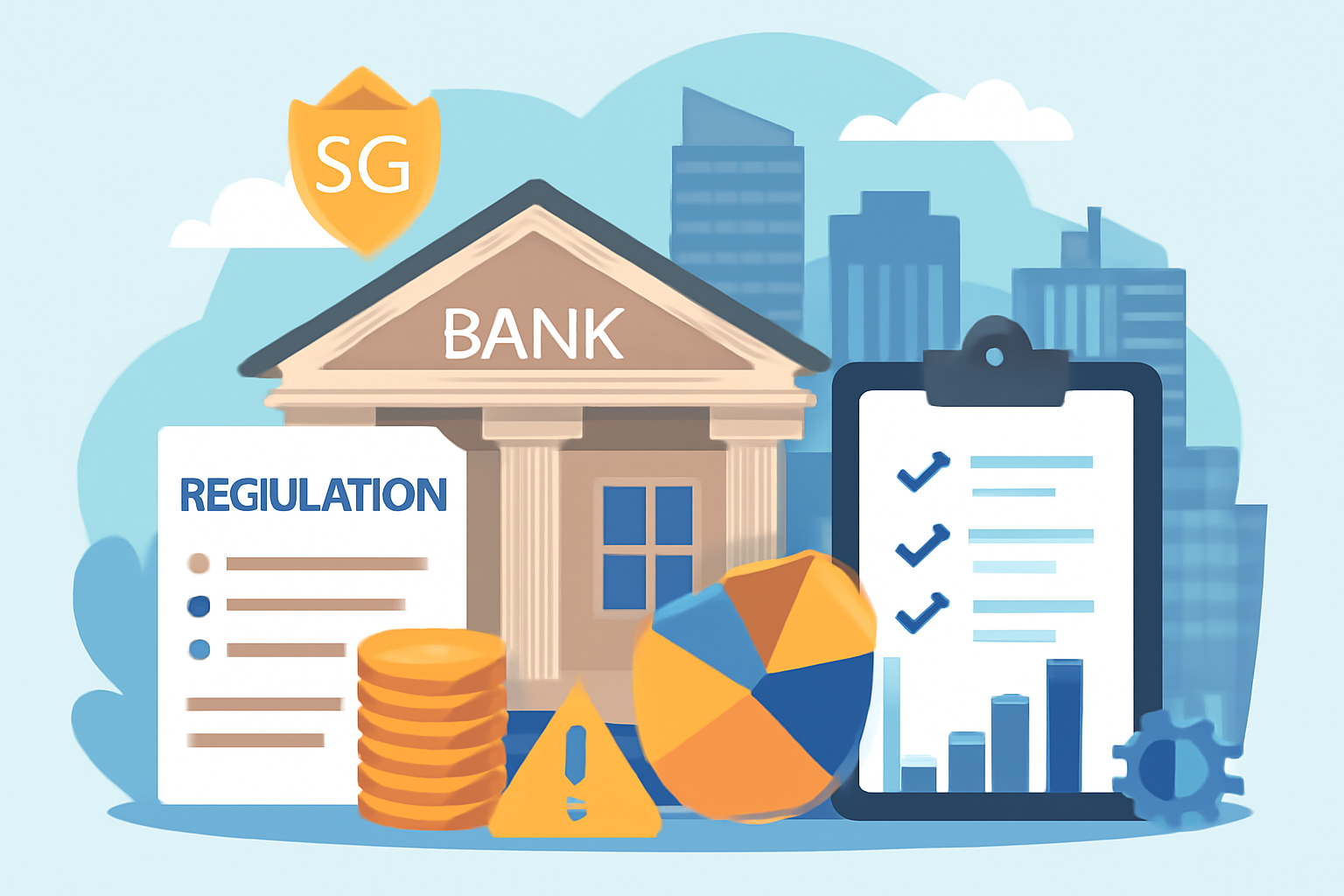
The 2008 crisis also prompted a reevaluation of risk management practices within the financial sector. Many banks and investment firms in Singapore began to diversify their portfolios and reduce their reliance on high-risk investments, a move that was instrumental in helping them withstand future shocks. Furthermore, the introduction of stricter regulatory measures such as Basel III guidelines has ensured that financial institutions in Singapore are better equipped to cope with global economic turbulence.
Another key factor in Singapore’s resilience is its strategic positioning as a global financial hub. The country has a diversified financial ecosystem, with a wide range of services including banking, asset management, insurance, and capital markets. This diversification has helped buffer the financial sector from the impacts of global economic shocks, as different segments of the financial industry are often affected in different ways.
The COVID-19 pandemic provided another test for Singapore’s financial sector. Despite the massive economic disruptions caused by the pandemic, Singapore’s financial institutions remained resilient due to their strong risk management practices. The MAS’s proactive fiscal measures, such as credit support schemes and reduced interest rates, ensured that liquidity remained available for businesses and households. The pandemic also accelerated the adoption of digital financial services, with an increasing number of consumers turning to online banking and digital wealth management tools.
Looking beyond the COVID-19 crisis, Singapore’s financial sector continues to adapt to the evolving global economic landscape. As trade tensions between major economies and geopolitical uncertainties persist, Singapore’s financial institutions remain focused on strengthening their risk management frameworks and enhancing their ability to adapt to rapid market changes.
In summary, while global economic crises present significant challenges, Singapore’s financial sector has demonstrated remarkable adaptability. By responding swiftly to crises, diversifying its financial services, and implementing prudent regulatory measures, Singapore has been able to maintain its position as a leading financial hub in Southeast Asia.