Singapore is known for its economic success, but like any other nation, it faces social issues that require attention and intervention. Social organizations in Singapore, including both non-profit groups and community organizations, play a crucial role in addressing these problems. They not only provide immediate assistance to vulnerable populations but also advocate for systemic changes that improve social welfare across the country.
Income inequality is one of the most significant social issues in Singapore. While the country’s overall prosperity is evident, the wealth gap between the affluent and the less fortunate has grown over the years. Social organizations like the Singapore Red Cross and the Action for Aids (AFA) provide critical services to the underserved populations. These organizations offer financial assistance, food aid, and access to healthcare for those in need. They also focus on long-term solutions, such as skills training and employment support, which help individuals become self-sufficient.
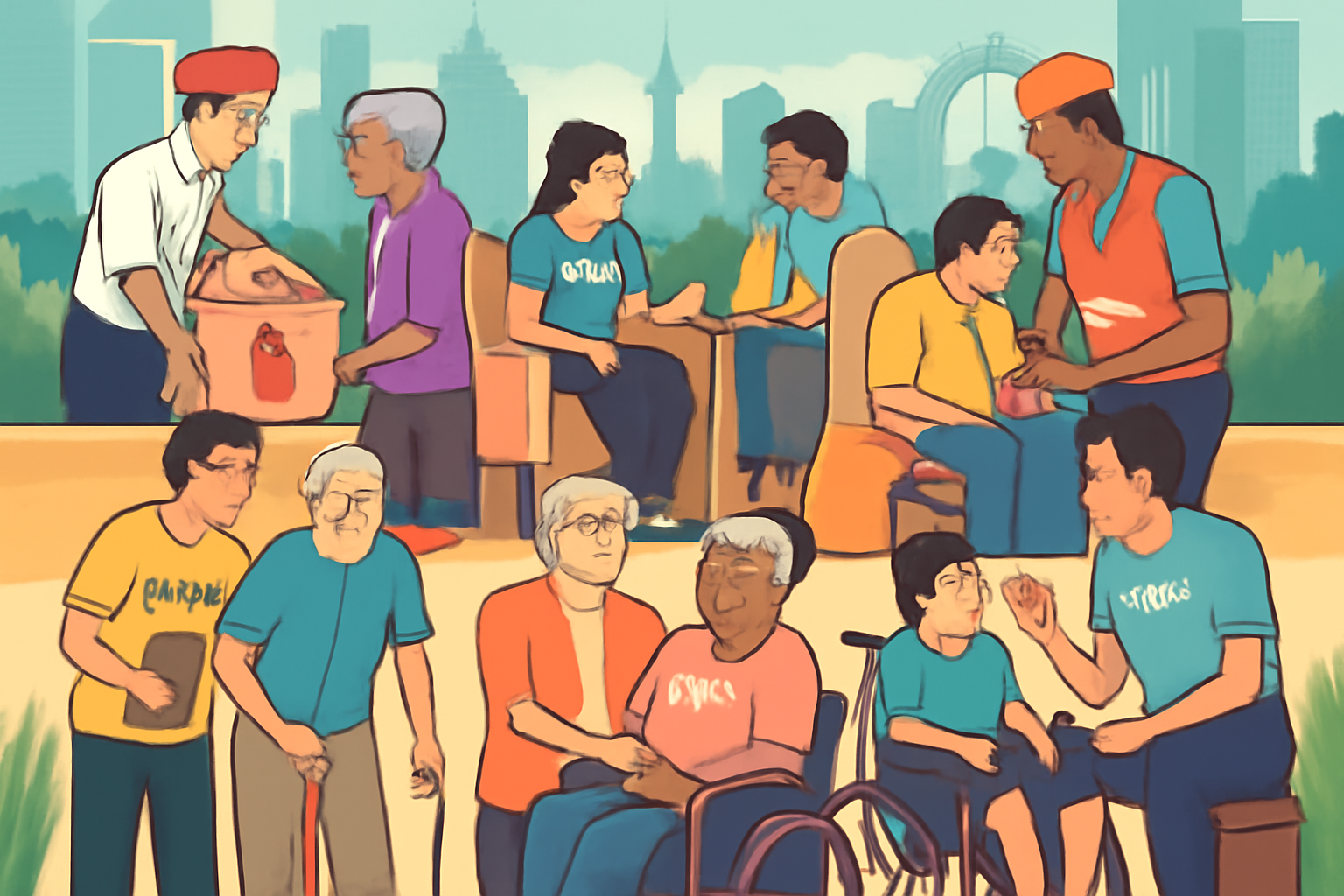
A particular challenge that Singapore faces is an aging population. As the proportion of elderly citizens grows, there is an increasing demand for services that cater to their needs. Social organizations such as the NTUC Health and the Singapore Association for the Aged (SAA) offer programs focused on elderly care, rehabilitation, and social integration. These initiatives ensure that senior citizens can live with dignity, access healthcare services, and remain socially active.
In addition to the elderly, migrant workers face unique challenges in Singapore. These workers often live in poor conditions and are vulnerable to exploitation by employers. Organizations like the Humanitarian Organization for Migration Economics (HOME) and the Migrant Workers’ Centre (MWC) have been instrumental in advocating for migrant workers’ rights. They provide legal assistance, offer shelters, and educate workers on their rights. By raising awareness and promoting policy changes, these organizations work towards improving the living and working conditions of migrant workers.
Social organizations also tackle the stigma surrounding mental health. Mental health remains a sensitive subject in Singapore, but organizations such as the Singapore Association for Mental Health (SAMH) and the National Council of Social Service (NCSS) are making strides in breaking the silence. They provide counseling services, raise awareness about mental health issues, and run campaigns to reduce stigma. Their efforts encourage individuals to seek help and foster a more understanding and supportive community for those facing mental health challenges.
Singapore’s social organizations also promote inclusion and accessibility for people with disabilities. Organizations like the Singapore Disability Sports Council (SDSC) and the Down Syndrome Association (DSA) work to ensure that individuals with disabilities are fully integrated into society. They focus on enhancing accessibility in public spaces, advocating for inclusive education, and promoting employment opportunities for people with disabilities. Their work is pivotal in creating a society that values all individuals, regardless of their physical or mental challenges.
In addressing social issues, the collaborative efforts of these organizations are vital. Many work alongside government agencies, businesses, and other community groups to ensure that their initiatives are impactful and sustainable. Through joint programs and partnerships, they combine resources, expertise, and influence to create lasting change. This collaborative spirit ensures that the solutions to social problems are comprehensive and well-rounded.
By addressing issues such as income inequality, aging, migrant workers’ rights, mental health, and disability inclusion, social organizations in Singapore contribute significantly to the country’s social fabric. These organizations provide essential services, advocate for systemic change, and promote social solidarity, ultimately helping to build a more inclusive and equitable society.