The retail industry in Singapore is entering a new phase in 2026 as e-commerce start-ups move beyond basic online selling platforms. These companies are developing technology-based solutions that improve shopping convenience, operational efficiency, and customer engagement.
From Online Stores to Intelligent Commerce Platforms
Modern Singaporean e-commerce start-ups are no longer competing only through product availability or pricing. Their competitive advantage comes from technology infrastructure, customer data analysis, and innovative business models.
Digital commerce companies are building ecosystems where customers can discover products, complete payments, receive personalized recommendations, and access financial services within one integrated environment.
Singapore’s position as a global technology hub supports this transformation. The Singapore Economic Development Board highlights the country’s continued investment in innovation and digital industries through its official resources: https://www.edb.gov.sg
The Growing Role of Fintech Integration
A major development in Singapore’s e-commerce sector is the integration between retail platforms and financial technology. Start-ups are introducing flexible payment systems, digital wallets, and automated financing options to improve purchasing accessibility.
This connection between commerce and fintech creates new opportunities for small businesses and consumers. Retailers can receive faster payments, while customers benefit from smoother checkout experiences.
Singapore’s advanced banking infrastructure makes it easier for start-ups to experiment with embedded finance solutions that combine shopping and financial services.
Data Analytics Creates Personalized Shopping Experiences
Consumer expectations in 2026 are heavily influenced by personalization. Shoppers expect platforms to understand their preferences and recommend relevant products immediately.
Singapore e-commerce innovators are applying machine learning algorithms to analyze customer behavior. These systems can identify purchasing patterns, predict future interests, and optimize marketing campaigns.
For smaller start-ups, data-driven strategies provide an opportunity to compete with larger regional platforms. Instead of targeting mass audiences, niche businesses can build loyal customer groups through specialized experiences.
Logistics Innovation Strengthens Market Competition
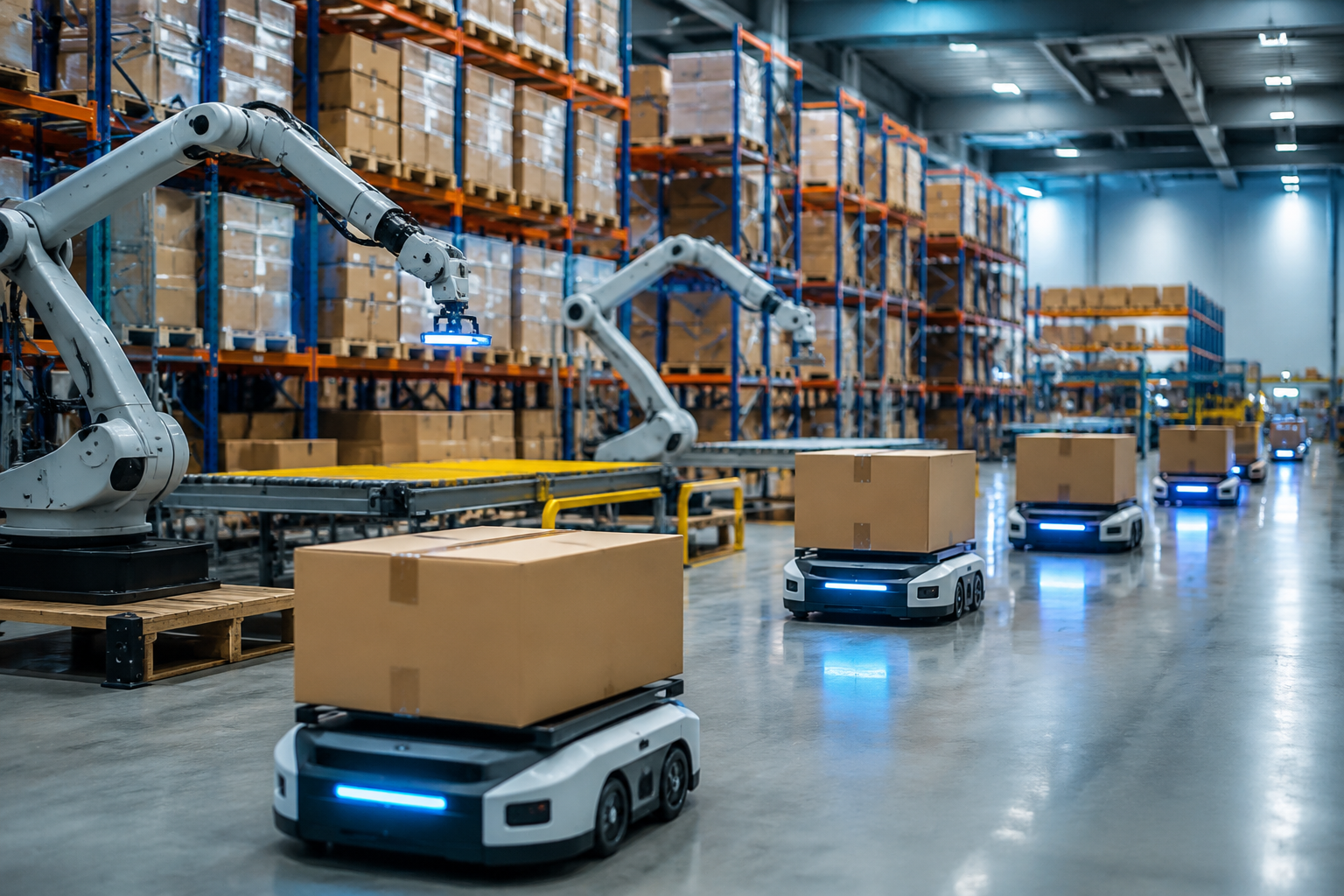
Fast and reliable delivery remains a critical factor in digital retail success. Singapore’s compact geography allows start-ups to experiment with advanced logistics solutions, including automated warehouses, route optimization, and same-day delivery networks.
Some companies are focusing on improving last-mile delivery, which is often the most expensive and challenging stage of e-commerce operations.
Technology allows businesses to reduce costs while maintaining customer satisfaction, creating stronger foundations for long-term growth.
Consumer Behavior and New Retail Expectations
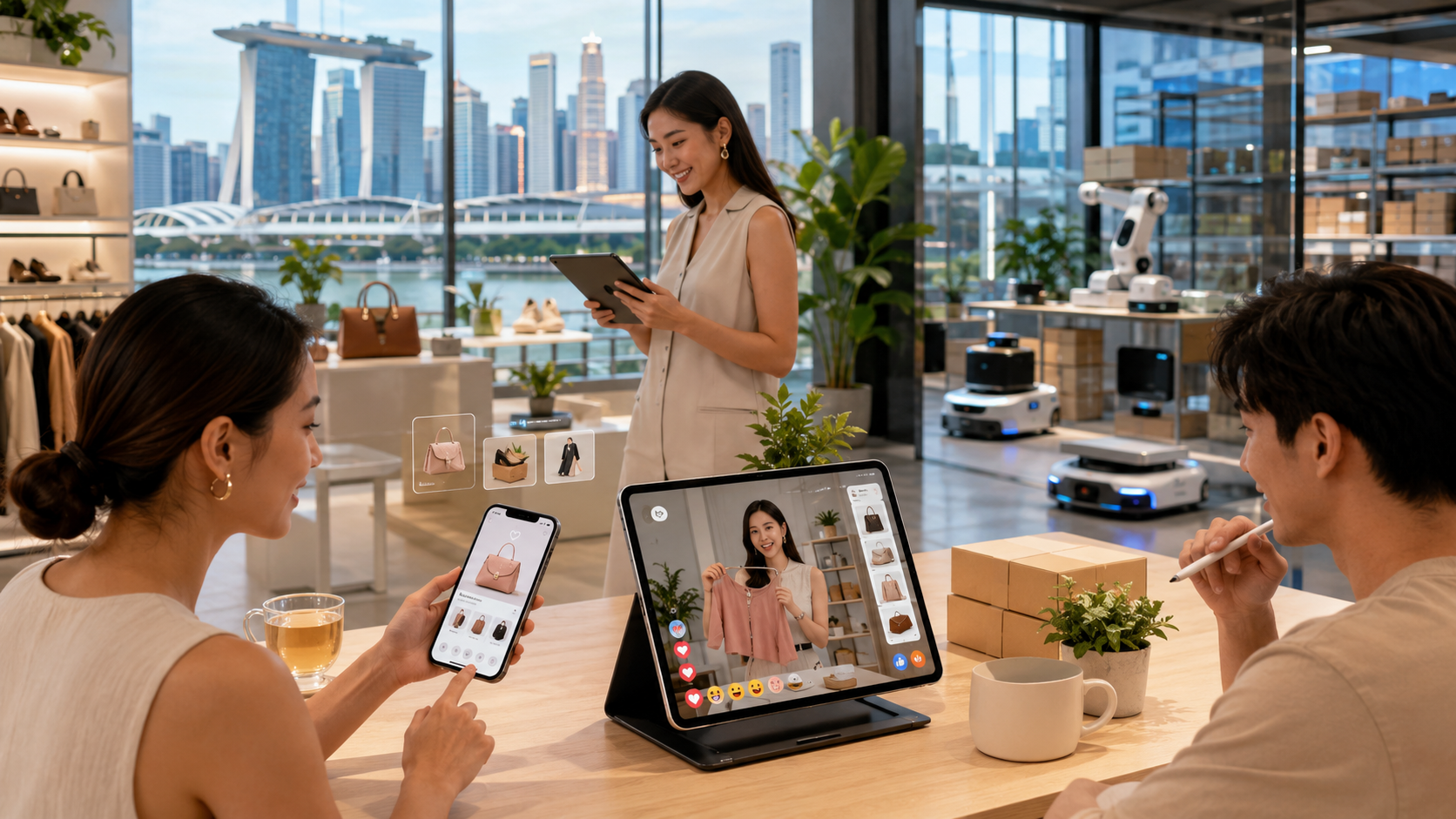
Singapore consumers in 2026 are increasingly comfortable combining online and offline shopping experiences. Start-ups are responding with hybrid models that connect physical stores, mobile applications, social media, and digital communities.
Livestream commerce, creator-driven shopping, and interactive product demonstrations are becoming important strategies for attracting younger consumers.
The success of these approaches shows that future retail will not simply replace physical shopping but will merge multiple experiences into a connected ecosystem.
Emerging Opportunities for Singapore Start-ups
The next generation of Singapore e-commerce companies will likely focus on artificial intelligence, sustainability, cross-border commerce, and customer experience innovation.
Businesses that understand local consumer needs while expanding regionally have significant opportunities in Southeast Asia’s rapidly growing digital economy.